
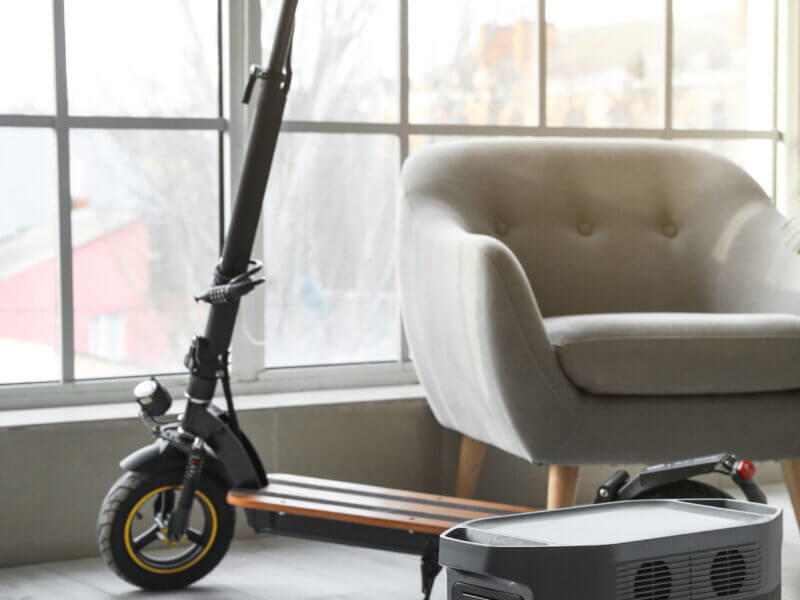
Technology has greatly improved our lives. With better communication tools, daily tasks are easier and more efficient. However, concern continues to grow regarding devices that use lithium-ion batteries. These batteries may pose a fire hazard and risk of injury to others. The large amount of energy these batteries contain can cause explosions and start fires which could create a life-safety issue and property damage. Recent news reports talk about multiple accounts of e-bikes and electric scooters that have caught fire. As the fire spread to other buildings, it caused property damage, and in some cases injury and death. An effort needs to be made to stop these tragedies.
Insurance companies are concerned with this growing risk, especially for communities in densely populated areas. Because of the increased fire risk in our community buildings, insurance companies want e-bikes, scooters, and other devices with lithium-ion batteries to be stored outside of living quarters. On recent insurance renewals, insurance companies have asked about the measures associations are taking to educate owners and tenants on the risk of lithium-ion batteries.
When buying a device that uses lithium-ion batteries, verify the battery is certified by a nationally recognized testing laboratory, for example, Underwriters Laboratories. Buy from a reputable supplier. Manufacturing is not globally consistent, and this means quality and standards will vary.
Other safety tips include:
- Closely follow the manufacturer’s instructions for charging and storage.
- Only use the power adapter and cord supplied by the manufacturer.
- Do not leave the battery charging overnight.
- Do not leave the battery near heat sources or in direct sunlight.
- When the battery needs to be replaced, buy the replacement battery from the same manufacturer.
- Do not throw the old battery in the trash. Properly dispose of the battery at a hazardous waste facility.
Some devices that use lithium-ion batteries may include and are not limited to the following: e-bikes, e-scooters, power tools, hoverboards, vehicles, backup batteries, vaping devices, laptops, and other electronic devices.
Boards need to establish guidelines and storage requirements regarding devices that contain lithium-ion batteries*. Before purchasing any device with a lithium-ion battery, understand the guidelines established by your community.
* Below is a sample letter with guidelines on lithium-ion batteries and other resources.
- Some communities have taken measures to communicate with owners on the risk of lithium-ion batteries. One example is Eliot Towers Condominiums. The community shared their letter, Guidelines for the storage and charging of lithium-ion batteries used in electric bicycles and scooters.
Used with permission from Eliot Towers Condominiums.
- For information on lithium-ion batteries and why they combust visit Clemson News.
- For safety information and a list of recalls for e-bikes, e-scooters, and hoverboards visit US Consumer Product Safety Commission.
- For information on battery disposal visit Metro.







 Good News, Bad News with Non-Renewals