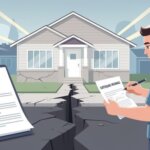

Winter storms mean traffic snarls, hillsides turning to sheets of ice, and cars sliding around like hockey pucks. Cold temperatures can cause pipes to burst, frost swells and other damage. With a little preparation you can weather the storms.
A picture-perfect winter requires a few precautions
Here are a few top tips to help reduce weather-related hassles this winter.
- Winter-proof your car with good snow tires or chains, new wiper blades, antifreeze, and emergency road supplies.
- Keep your attic cool to help prevent ice dams. Insulate the attic floor and make sure it is well-ventilated.
- Do not overload circuits with holiday decorations.
When winter storms hit, be smart
- If you do not have to drive, stay put. If you must drive, make sure you’ve winterized your car and have a full tank of gas.
- When the air is cold, keep bath and kitchen cabinet doors open so warm air can circulate around pipes. If pipes do freeze, let them thaw normally—they’ll be less likely to burst.
- Heating your home with fireplaces and holiday lighting can increase the risk of fire. If the power is out, make sure you avoid using candles and don’t let fires burn unattended. If you use a portable generator, follow the instructions, and do not use it indoors.
Know what your insurance covers
We want to help you rest easy. You will be more relaxed when you know you have prepared your property to lessen the chance of winter storm damage. Your insurance policy covers repair or rebuilding costs. However, your deductible may apply. Check your policy to see what is covered and to confirm the deductible you have chosen.
How to Check Your Property for Damage After a Storm
When a big storm hits, you rely on your home to protect you and your family. Once the storm passes, survey the area, identify any damage, and protect your home from any further damage that may occur.
The National Storm Damage Center has several resources and tips for homeowners. Here are five things we here at ABI Insurance recommend you check after a storm:
- Your roof: If you see holes, split seams, or missing shingles on your roof or if you notice leaking inside or out, it’s a good idea to have a qualified inspector come assess the situation.
- Your exterior: Siding, brick and stucco are all vulnerable to storm damage. You’ll want to look for cracking, chipping or dings and dents in siding, and holes in stucco. Look closely at the exterior at different times of the day. Some homeowners don’t notice damage until it’s too late to file a claim, and different lighting can reveal damage you didn’t see before.
- Driveways and walkways: Cracking and splitting can create safety hazards, as well as reduce the lifespan of the concrete.
- Trees: Check roofs, vehicles, fences, and machinery for fallen limbs that may have caused damage or could pose a risk. Clean up what you safely can and rely on a reputable tree removal service to handle the rest. Depending on the circumstances, your homeowner’s insurance policy may help with tree removal and repair costs if you experience a covered loss.
- Windows: Check for cracked or broken windows and inspect window frames for damage. If you find broken glass, be careful about shards from the glass. Board up any damaged windows and call a qualified contractor to replace the window.
A few more helpful tips:
- Keep trees well maintained and trimmed. Also notify neighbors if you see any overhanging branches that could be a potential hazard for future incidents.
- Know your insurance. Look at your policy so you know what’s covered, what your limits and deductibles are, etc. This will prevent any unforeseen surprises during the claims process.
- Take pictures. Photographs can help document the extent of any storm damage that occurred.
If you have any questions, we can help you review your coverage. If you’ve suffered through a major storm, don’t hesitate to call us for help with an insurance claim or to find a professional property inspector. We are here to help, 503-292-1580.
For more preparation tips, read the article Preparing for Winter.
Content provided by Safeco Insurance.






 Lithium-ion Batteries Pose Concerns and Risks