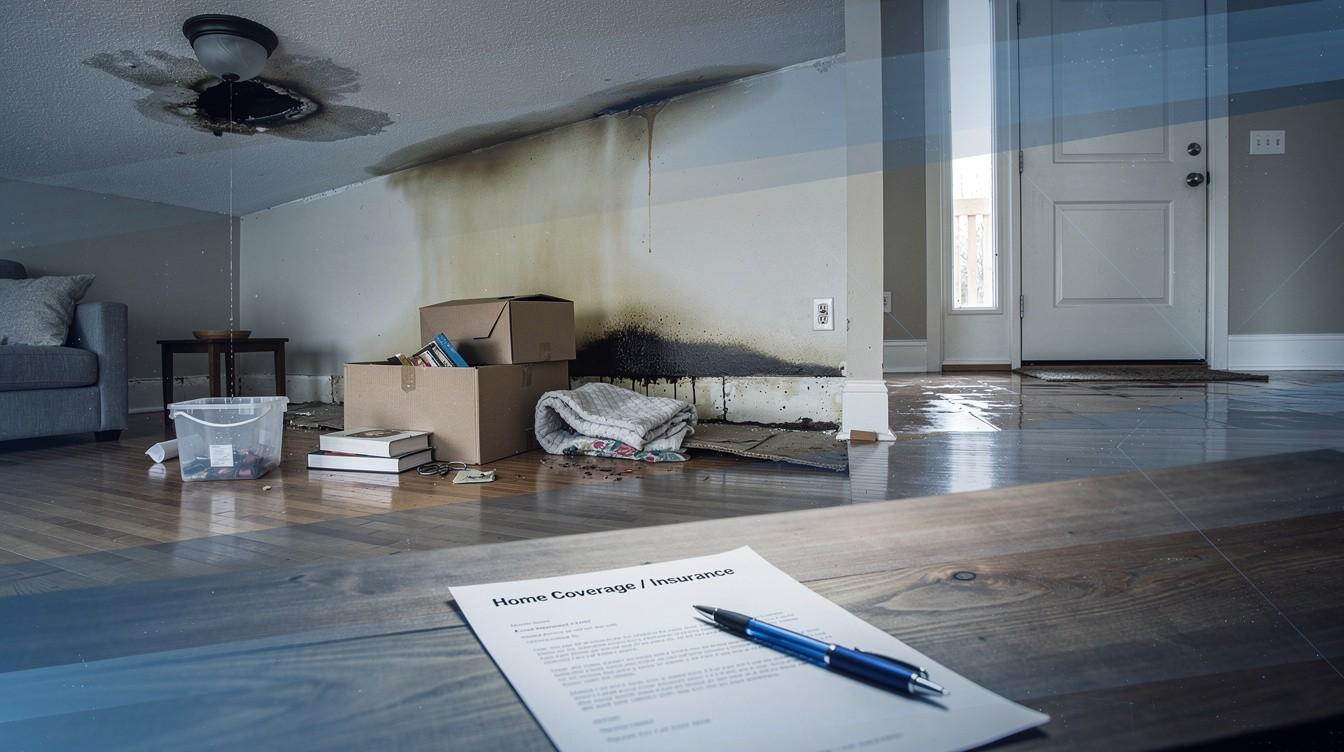
Water damage is one of the costliest home insurance claims, with the average homeowner facing thousands of dollars in repairs. Yet most people don’t understand what their water damage home coverage actually protects or where there are gaps.
At ABI Insurance, we’ve seen too many homeowners caught off guard by what their policies don’t cover. This guide walks you through the real costs, what your insurance includes, and how to close the gaps before water becomes a problem.
What Water Damage Actually Costs
Water damage repair bills vary wildly depending on what went wrong and how long the problem was unaddressed. The average homeowner insurance payout for water damage is $13,954, but that’s just the starting point. A burst pipe discovered immediately might run $1,000 to $4,000 in plumbing repairs, while basement water intrusion can cost $500 to $80,000 or more, depending on severity and structural involvement. The type of water matters too. Clean water from a burst pipe costs $3 to $4 per square foot to remediate, but grey water from appliance overflow runs $4 to $6.50 per square foot, and black water from sewage backup hits $7 to $7.50 per square foot.
The Timeline That Matters
Speed kills water damage costs. Within minutes, water absorbs into materials and starts the damage clock. A few hours in, humidity spikes and materials begin to deteriorate. After 48 hours, water can turn black, and mold begins its aggressive colonization. Within days, structural wood softens, and drywall loses integrity. Weeks of untreated water damage mean potential structural failure, and months of exposure can render parts of your home unsalvageable. This timeline explains why about 1 in 60 insured homes file a water damage claim annually. The faster you act, the lower your final bill and the smaller the hit to your home’s value. A roof leak that goes three months without being addressed costs three times as much as the same leak when you address it immediately.
Home Value and Resale Reality
Water damage disclosure requirements in Oregon mean you cannot hide past water damage when you sell. Buyers and their inspectors will find evidence of previous water events, and that discovery impacts your sale price or kills the deal entirely. A home with a documented water damage history in the foundation or basement typically sees a 5% to 10% price reduction at resale, and that’s before you factor in the cost of remediation work the buyer will demand before closing. Mold from untreated water damage creates an even steeper penalty because it triggers health concerns and expensive remediation. If your home suffered water damage and you did not address it properly, buyers will pay less, require inspections, and demand warranties. The hidden costs extend beyond immediate repair bills into years of reduced property value and the stress of disclosure conversations.
Understanding what your homeowners insurance actually covers and what it doesn’t becomes the difference between a manageable repair bill and a financial crisis.
Understanding Your Homeowners Policy Water Coverage
What Sudden and Accidental Water Damage Includes
Your homeowners insurance policy covers water damage that arrives suddenly and by accident, but not water that shows up gradually or comes from outside your home’s perimeter. A burst pipe that floods your kitchen overnight qualifies for coverage. A slow leak from corroded plumbing that nobody noticed for six months does not. This distinction matters because about 1 in 60 insured homes file a water damage claim annually, and most of those claims fall into the sudden-and-accidental category. When a pipe freezes and ruptures in January, your dwelling coverage pays to fix the structure, and your personal property coverage handles damaged belongings, typically up to your policy limits. Water damage from a toilet overflow, a washing machine hose failure, or a roof leak caused by wind damage all qualify as sudden and accidental. Your policy also covers water damage that results from fire suppression efforts or ice dams that form on your roof from weather conditions.
Maintenance Neglect Kills Your Claim
Your adjuster will investigate whether you neglected basic maintenance. If you failed to heat your home during winter and the pipes froze as a result, the claim gets denied. If gutters were clogged and the roof water backed up into your attic, denial follows again. Standard homeowners insurance treats neglect as a disqualifier, so preventive maintenance directly protects your coverage eligibility. This requirement means that gutter cleaning, roof inspections, and winterization efforts pay for themselves through claim protection alone. A single water damage claim can raise rates by 20 to 40 percent for five years, making prevention even more valuable.
Flood Damage Stands Apart
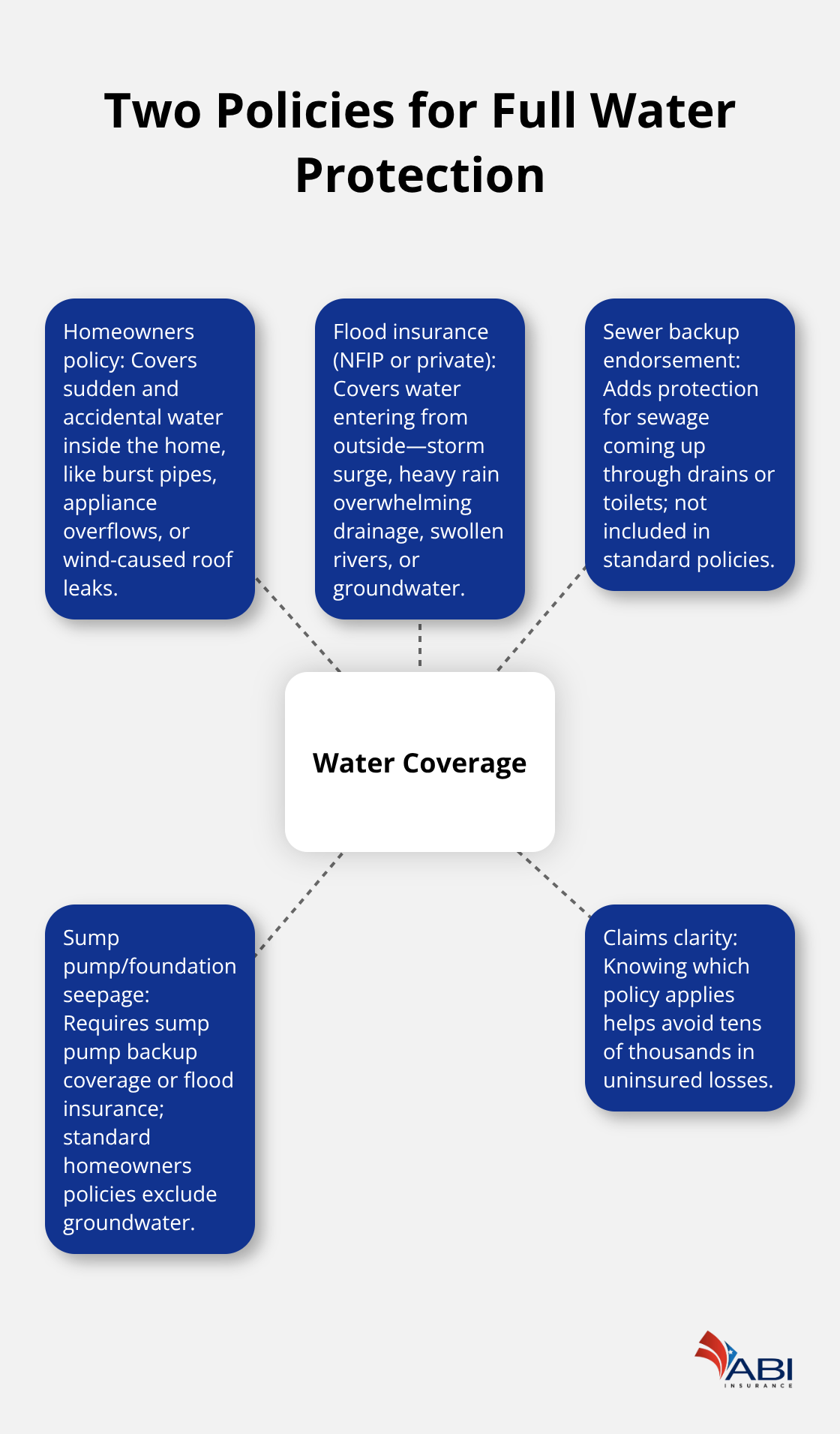
Flood damage stands apart from water damage, and this separation creates the biggest coverage gap in Oregon. Your homeowners policy excludes water that enters from outside the home’s foundation, including storm surge, heavy rainfall that overwhelms drainage systems, swollen rivers, or groundwater seepage. Flood insurance through the National Flood Insurance Program costs roughly $700 per year on average and provides separate building and contents coverage with its own deductibles. The NFIP pays an average claim of about $52,000, which substantially exceeds what most homeowners carry in liquid savings.
Flood Risk in Oregon and Beyond
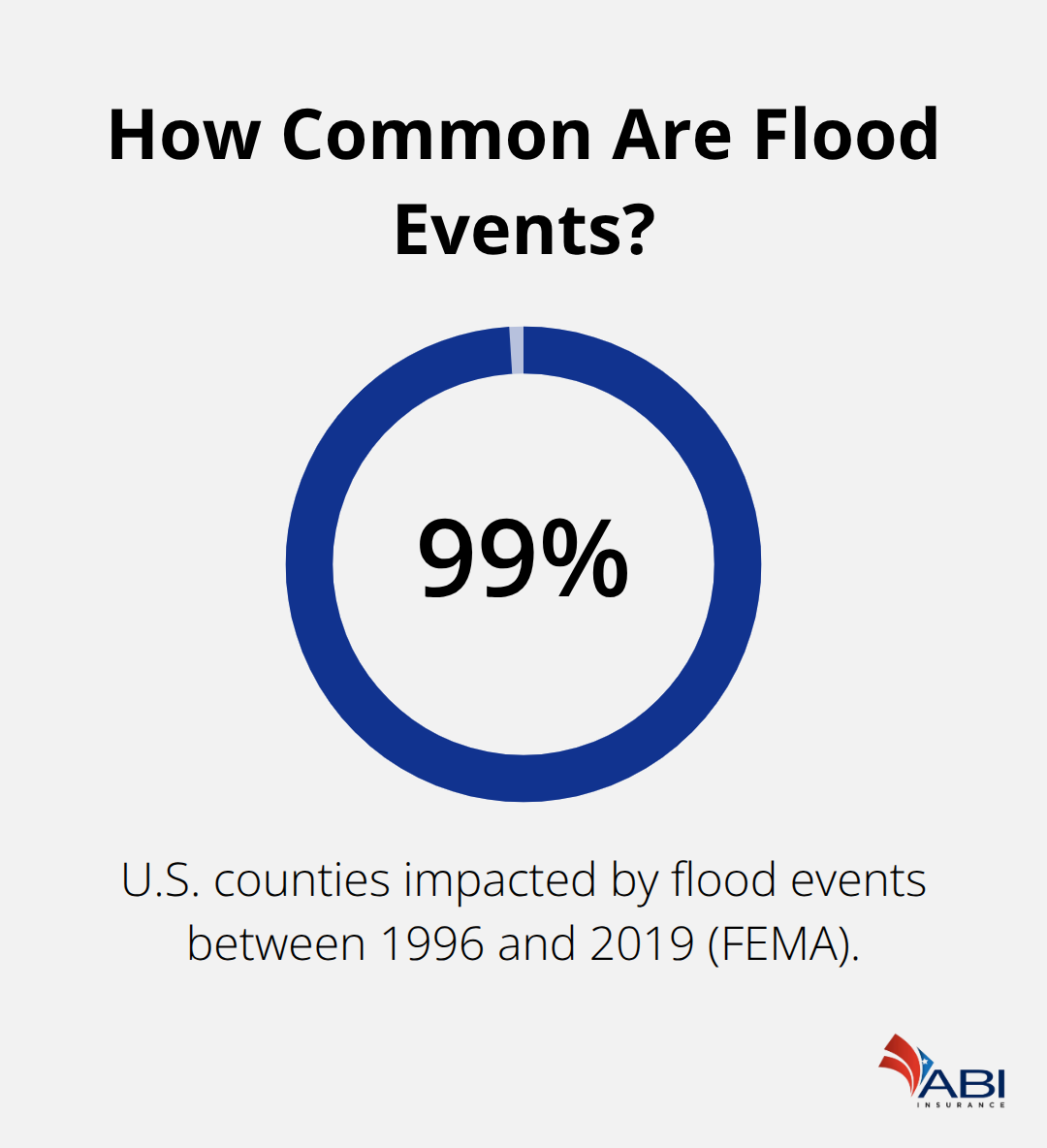
Oregon counties experience frequent flooding. These flood events impacted 99% of U.S. counties between 1996 and 2019, according to FEMA data, and properties in or near floodplains face mandatory flood insurance requirements if they carry mortgages. Even homes outside official flood zones experience water intrusion from heavy rain, and that damage requires flood coverage to qualify for reimbursement.
Sewer backup coverage, which protects against sewage coming up through drains or toilets, does not typically appear on standard policies either. You can add this coverage separately, usually for a modest additional premium.
Two Policies, Two Protections
The distinction between sudden and accidental water damage and flood damage means you actually need two separate policies to stay protected: your homeowners policy handles burst pipes and roof leaks, while flood insurance handles everything that comes from outside. Understanding which policy covers which scenario becomes critical when you file a claim, and the gaps between them can leave you exposed to tens of thousands in uninsured losses.
Your next step involves evaluating your current policy limits and determining whether your coverage aligns with your actual risk profile.
Common Water Damage Scenarios and How to Prevent Them
Roof Leaks and Gutter Failures
Roof leaks and gutter failures create the most insidious water damage because they operate invisibly for months before you notice the problem. Your roof sheds water by design, but when gutters clog with leaves and debris, water backs up under shingles and seeps into the wood structure beneath. For roof leaks specifically, your homeowners policy covers damage caused by weather events like wind that tears shingles or ice dams that form from poor attic ventilation, but it does not cover leaks from missing shingles due to age or neglect. This distinction matters because insurers photograph your roof condition during inspections. If your roof is obviously deteriorating and you have not scheduled replacement, a claim gets denied even if a storm technically caused the leak.
Inspect your roof every two to three years, clear gutters in spring and fall, and trim branches hanging over the roof line. Replace shingles before they curl or crack. Professional roof inspections often reveal problems that prevent thousands in water damage claims later.
Burst Pipes and Plumbing Issues
Burst pipes and plumbing failures account for significant water damage claims because they happen suddenly and spread rapidly through walls and ceilings. A single rupture can release 250 gallons per day until you shut off the main water valve, which is why knowing your valve location and how to operate it ranks among the most important preventive steps you can take. Frozen pipes cause the majority of burst-pipe claims in Oregon winters, and your policy covers the rupture itself only if you took reasonable steps to prevent freezing, such as keeping your home heated to at least 55 degrees Fahrenheit when you travel or during extended cold snaps. If temperatures drop below 20 degrees and your home sits unheated, insurers consider that negligence and deny the claim.
The EPA reports that a typical household leak wastes up to 10,000 gallons per year, and fixing leaks saves about $681 per year. This financial incentive aligns perfectly with your insurance protection. Addressing leaks promptly protects both your wallet and your coverage eligibility.
Sump Pump Failures and Foundation Seepage
Sump pump failures and foundation seepage represent a different category entirely because standard homeowners policies do not cover water that accumulates from groundwater rising into your basement. You need sump pump backup coverage or flood insurance to protect against this scenario. About 98% of basements in the U.S. will experience water damage at least once, which means foundation seepage affects nearly every homeowner eventually.
Install a sump pump with a battery backup system in your basement or crawlspace. Test it quarterly by pouring water into the basin to confirm it activates, and have a professional inspect it annually before the heavy rain season. The cost runs $150 to $400 per year in maintenance, yet a single foundation water intrusion event can cost $500 to $80,000, depending on structural involvement. Cleaning and repairing a sump pump after failure costs far less than addressing mold and structural damage that develops when groundwater sits in your foundation for weeks.
Final Thoughts
Your homeowners policy provides a foundation for water damage home coverage, but that foundation has limits and gaps that require deliberate action to close. Start by reviewing your current declarations page to confirm your dwelling coverage amount and personal property limits, ensuring these numbers reflect your home’s replacement cost rather than its market value. If you bought your home five years ago and have not updated coverage since, inflation alone means your limits are likely insufficient today.
Assess your flood risk honestly, especially if your property sits within a FEMA flood zone or near a river, creek, or drainage area. The NFIP average claim payment of about $52,000 demonstrates why flood insurance matters, since your homeowners policy will not pay a dollar toward flood damage. Consider adding sump pump backup coverage and sewer backup protection to your homeowners policy as well, since these endorsements cost modest premiums but protect against scenarios your standard policy excludes.
Work with an insurance agent who understands Oregon’s specific water risks and your home’s individual exposure. At ABI Insurance, our team has spent more than 40 years helping Portland area families and businesses identify coverage gaps and build protection plans that match their actual needs. Water damage claims move fast, and the time to prepare is now, before water becomes a problem.







 Earthquake Insurance Homeowners Portland: Protecting Your House