
Seven Tips to Help You Handle Rainy Days Behind the Wheel
Plus, strategies for driving in snow and ice
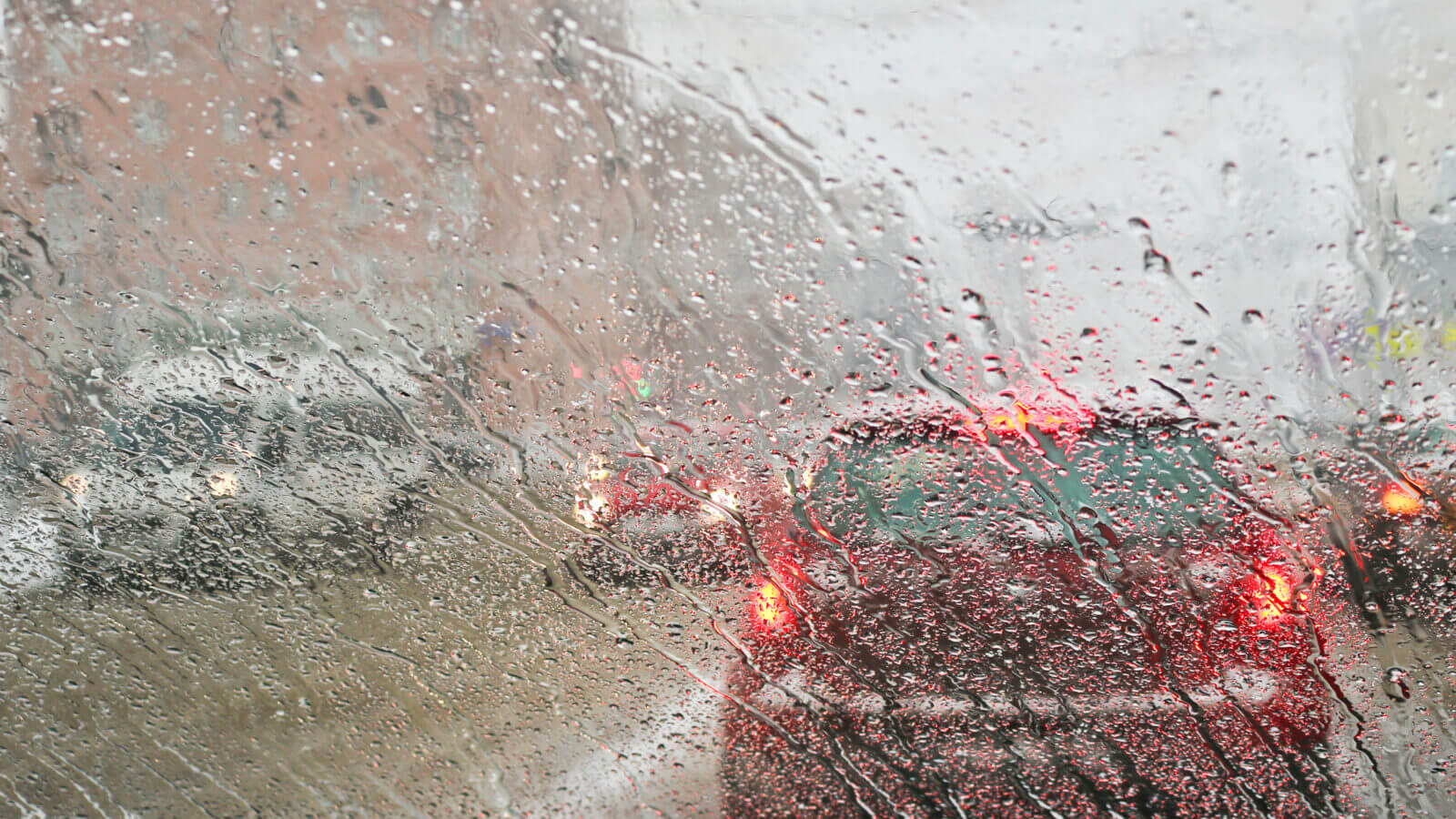
At some point, every driver in the Pacific Northwest must deal with rainy weather. However, many don’t know what to do, so they drive as they normally would.
Slick roads, flooded streets, and reduced visibility can be a recipe for disaster. So instead, follow these simple tips for safer rainy-day travels.
- Stay visible. Turn on your headlights so you can see — and be seen — more easily.
- Be patient. Give yourself more time to get where you’re going and give people more room. Increase your normal following distance two to three times.
- Expect slippery conditions. Rain often combines with oil and grease buildup to create slick roadways. Not to mention you can hydroplane — meaning your tires are riding on water instead of pavement — at speeds as little as 35 mph. If it happens, slow down, gently apply your brakes and keep steering straight ahead. Also, avoid using cruise control on wet and slippery roads because your chances of hydroplaning increase.
- Check your car’s systems. How are your wipers? Do your blades need to be replaced? What about your defroster? Driving in the rain is hard enough; don’t do it with fogged-up windows, too.
- Inspect your tires. Are they inflated properly? Do you have enough tread? A simple way to assess the tread, insert a penny with Lincoln’s head facing you. If you see Lincoln’s entire head, it is probably time to replace your tires. The National Highway Traffic Safety Administration recommends checking your vehicle’s tires at least once a month.
- Never drive in flooded areas. In a flood, it won’t take much water to sweep you away, believe it or not — just 12 inches for a smaller car or 24 inches for almost any vehicle, according to the National Weather Service, which advises, “turn around, don’t drown.”
- Get – or stay – off the road. When conditions are bad, pull over and take a break. Or, if you can, just stay home. You’ll probably be happier to stay out of the weather, anyway! And you’re certainly likely to be safer.
The Best Strategies to Drive Safely in Snow and Ice
Winter weather driving can also be challenging to drivers, but with these tips, you’ll know how to stay safe on the road.
- Be sure your car has plenty of antifreeze.
- Make sure your windshield wipers are in good condition and your wiper fluid remains full. Keep control of your vehicle by not using your cruise control settings.
- Pack an emergency kit including a flashlight, protein bars and water, toilet paper, emergency blanket, roadside visibility reflectors, a snow brush and ice scraper, jumper cables, and a bag of sand to help with traction.
- Always check the road conditions before you leave on your trip.
- Brake appropriately on slippery surfaces. If you start to skid, take your foot off the accelerator until you regain traction. Many people want to slam on the brakes when they notice their car starting to skid.
- Give yourself extra stopping distance between your car and the car ahead of you.
- Practice extra caution on bridges, ramps, overpasses, and shaded areas which are likely to freeze first and can be extra slick.
- Defrost your car by turning on your front and rear defrosters. Once your car has warmed up slightly, use your plastic ice scraper to scrape ice.
With a little extra care, you can help keep your car on the road and your winter blues to a minimum even while traveling in inclement weather.








 Start Thinking About Winterizing Your RV Today