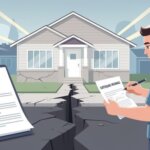
The current insurance market is more challenging than ever. With claim payouts at an all-time high, many carriers have exited the condominium insurance market. The remaining carriers have limited capacity and therefore are restricted to the community associations they are able to insure.
Carriers choose the associations with the lowest risk of claim activity to keep their book of business profitable. Associations with an extensive or costly claim history are considered high-risk by preferred carriers. Some associations may not be eligible for competitive rates based on their location, such as those near the coast or in a wildfire zone.
Association buildings constructed prior to about 1990 are immediately reviewed very closely by carriers due to the likelihood of aged building components and systems. One of the most impactful characteristics that cause an association to be considered high-risk is out-of-date building systems, especially electrical and plumbing.
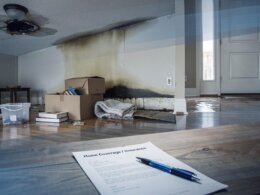
Buildings built prior to the 1990s are likely to have galvanized plumbing. This type of plumbing is no longer used because over time, it will corrode from the inside out causing leaks and collapse. Water damage claims represent the most common and costly claims for community associations, and preferred carriers are not willing to accept the risk of having to pay a claim for water damage caused by failing galvanized plumbing.
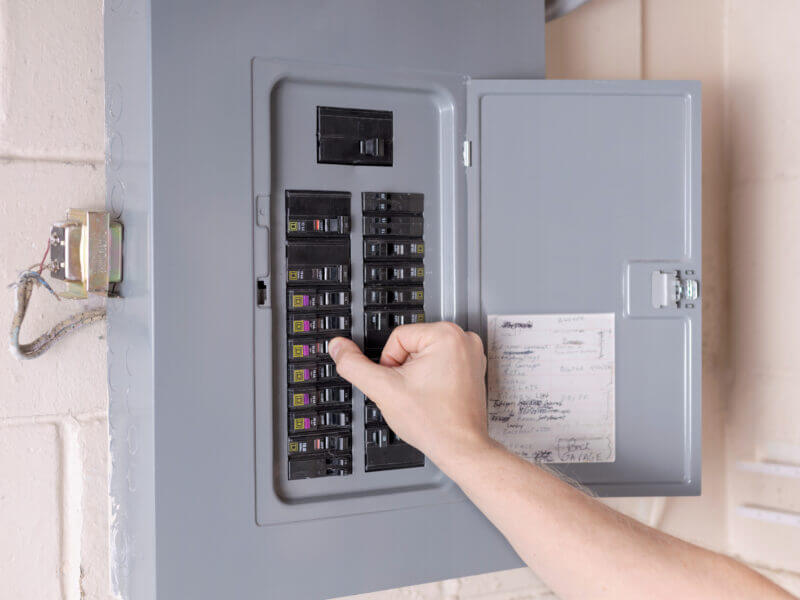
Likewise, buildings built prior to the 1990s may have recalled electrical panels such as Federal Pacific, Zinsco, or Sylvania. These panels use Stab-lok breakers which are widely known to not trip properly when overloaded. This poses a severe overheating risk and may cause electrical fires. Challenger and Oregon’s largest insurance provider of condominium and association insurance.
Pushmatic panels are also obsolete and known to overheat and cause fires. If these panels are present anywhere in the association, it is typically an automatic “no” from preferred carriers.
In addition to the risk of property damage that these outdated systems pose, association boards can be at risk as well. If boards are aware of the presence of these systems and have not notified unit owners and have not taken action to address them, this could leave the board open to a lawsuit for breach of duty if a claim occurs.
Boards who oversee older buildings and do not know what types of systems are in the building should have the building systems inspected by licensed and insured professionals. If the buildings do have out-of-date electrical or plumbing systems, develop a plan to replace them as soon as possible. These replacements can be very expensive. However, insurance in the high-risk market is also expensive and comes with limited coverage. It is preferable for associations to put their money towards updating the building(s) rather than towards costly insurance premiums.




 Essential Winter Preparations for Associations and Unit Owners