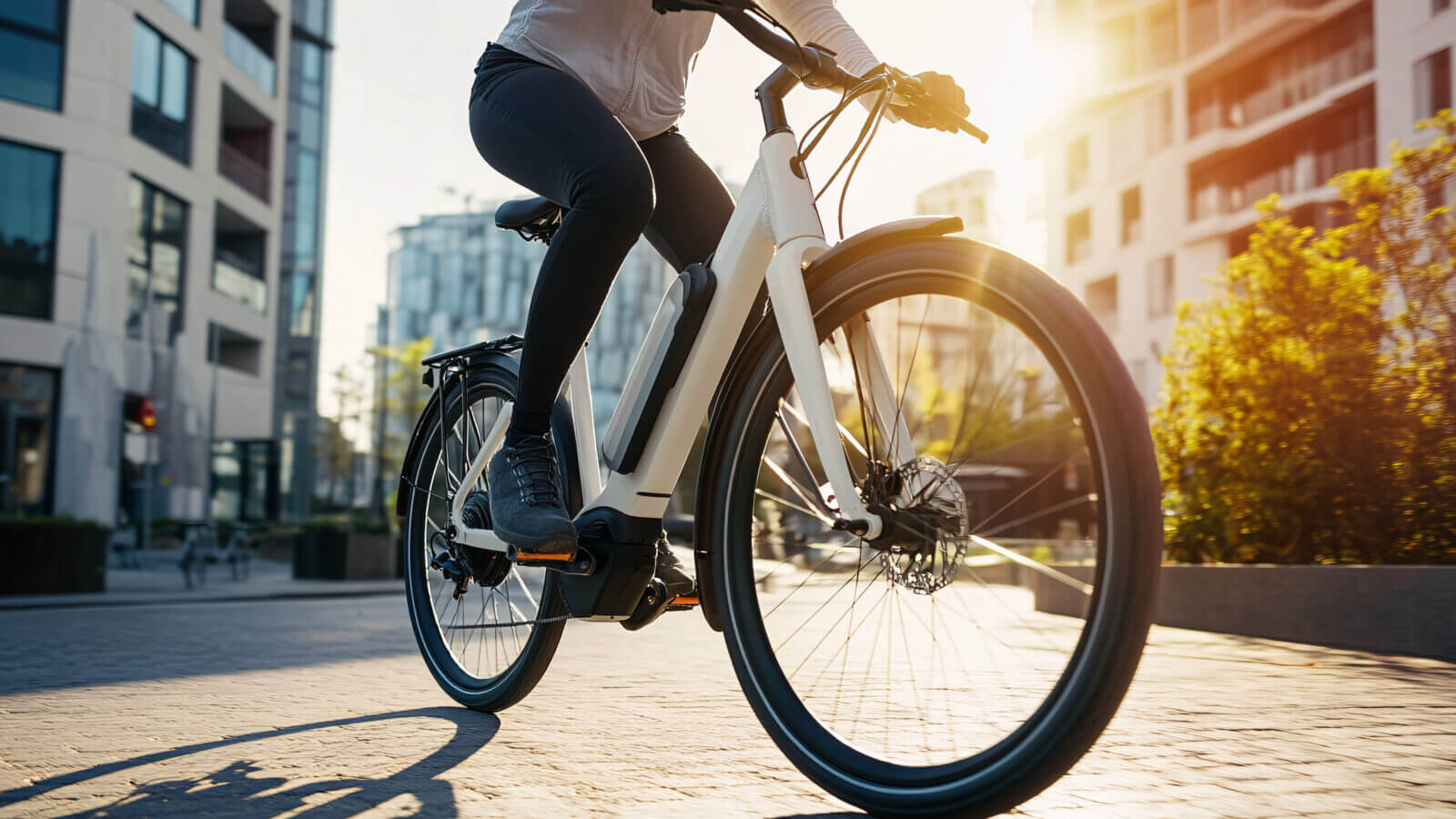
Personal electric micromobility devices, including e-bikes and e-scooters have grown in popularity. These modes of transportation can make errands, shopping, and commuting more convenient especially in urban areas. However, these personal electric devices also come with risks, particularly related to the lithium-ion batteries.
In 2024, Portland Fire and Rescue Crews responded to two separate fires on September 12. These fires displaced residents and caused significant damage to both buildings, including a multi-unit apartment building. Firefighters determined these fires were caused by “thermal runaway” of a rechargeable lithium-ion battery. According to UL Research Institutes thermal runaway is “…a phenomenon in which the lithium-ion cell enters an uncontrollable, self-heating state.” The high heat can result in fire.
Many community associations are taking the necessary steps to prevent these events and ensure the safety and well-being of all residents. Incidents like the two in Portland and others around the country have prompted some community associations to require e-bike and e-scooter owners to purchase liability insurance.
This action aims to protect the individual owner, the community, and property from potential harm that may arise from battery malfunctions or other related incidents. A separate liability policy provides coverage for any accident or damage that may occur while storing or using the device. This type of policy offers peace of mind to both e-bike users and their neighbors.
A homeowners policy may offer a small amount of liability coverage, but not significant coverage in the event of a major accident or fire. Insurance policies vary, so it is essential to contact your agent to discuss coverage options.
As these devices grow in popularity, we expect more community associations to develop storage guidelines and require owners to purchase a liability insurance policy for these vehicles.
Before purchasing an e-bike or e-scooter, check the guidelines established by your association or community. Be aware of rules that impact the use and storage of these devices and always comply with community guidelines. Also, look for safety recalls especially if you are purchasing a used product. The links listed below can help you with your research.
- For safety information and a list of recalls for e-bikes, e-scooters, and hoverboards visit US Consumer Product Safety Commission.
- To understand how lithium-ion batteries work visit UL Research Institutes.
- For information on battery disposal visit Metro.
The warmer weather gives everyone a chance to shed the raincoat and go outside. If an e-bike or e-scooter is part of your summer plan, contact us today. We can find a policy that could help protect you and your community before an incident occurs. 503-292-1580.







 The Differences Between Preferred and Surplus Lines Policies