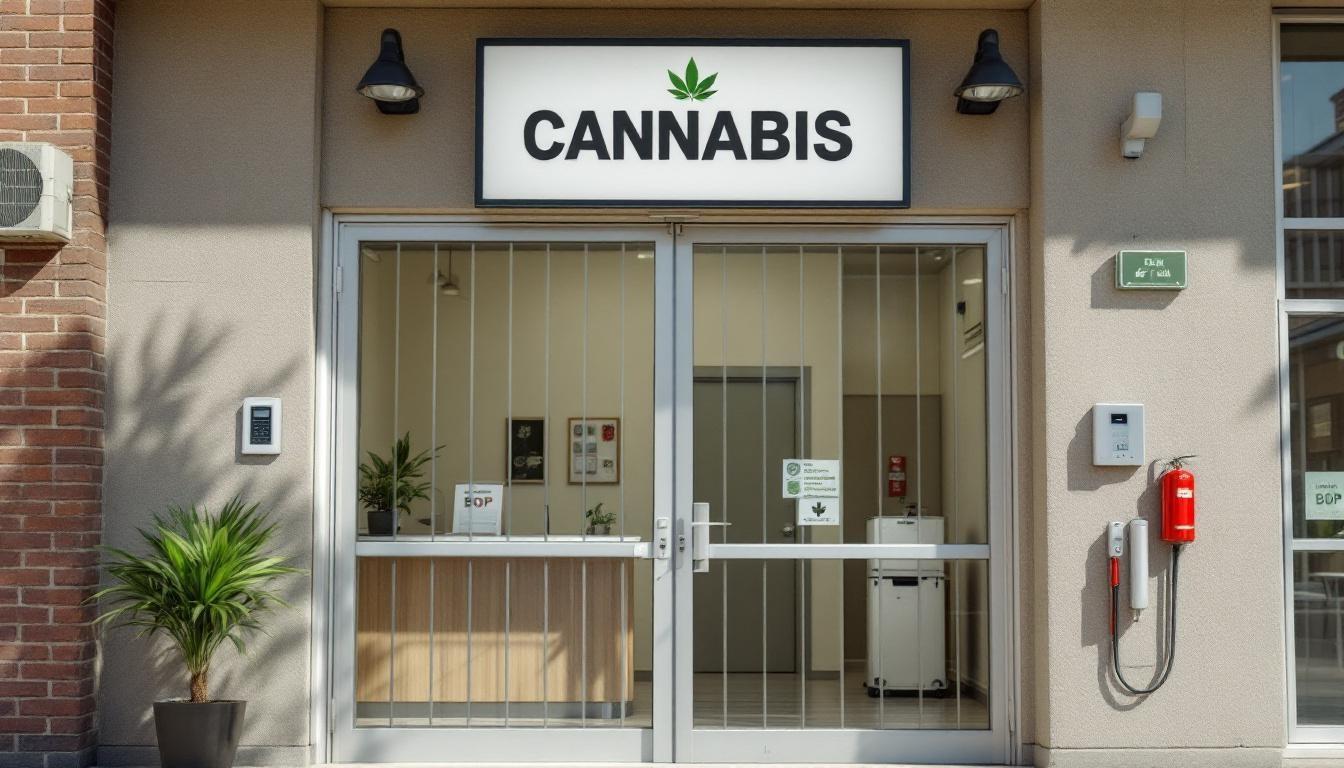
At ABI Insurance, we’ve seen firsthand how a commercial insurance package for cannabis operators can be the difference between a business that thrives and one that struggles with gaps in protection. This guide walks you through the specialized safeguards your operation needs.
What Cannabis Operators Actually Need in a Business Policy
A commercial insurance package for cannabis operators bundles general liability, commercial property, and business income coverage into one package, but the standard version available to traditional retail won’t protect you. The cannabis industry operates under constraints that conventional businesses never face. Federal Schedule I classification limits banking options, state regulations vary wildly, and your inventory faces theft risks that exceed most retail environments. Standard commercial packages treat cannabis like any other business, which is exactly the problem. Your cultivation facility with LED grow lights, your retail location handling cash-only transactions, and your product liability exposure from edibles with inconsistent potency all demand specialized underwriting. In 2023, over 400,000 business burglaries occurred across the United States, but cannabis retailers face compounded risk because they operate almost entirely in cash. A single armed robbery can cost a dispensary approximately $100,000 in inventory losses. Standard policies exclude cannabis products from coverage or deny claims based on vague policy language around Schedule I drugs.
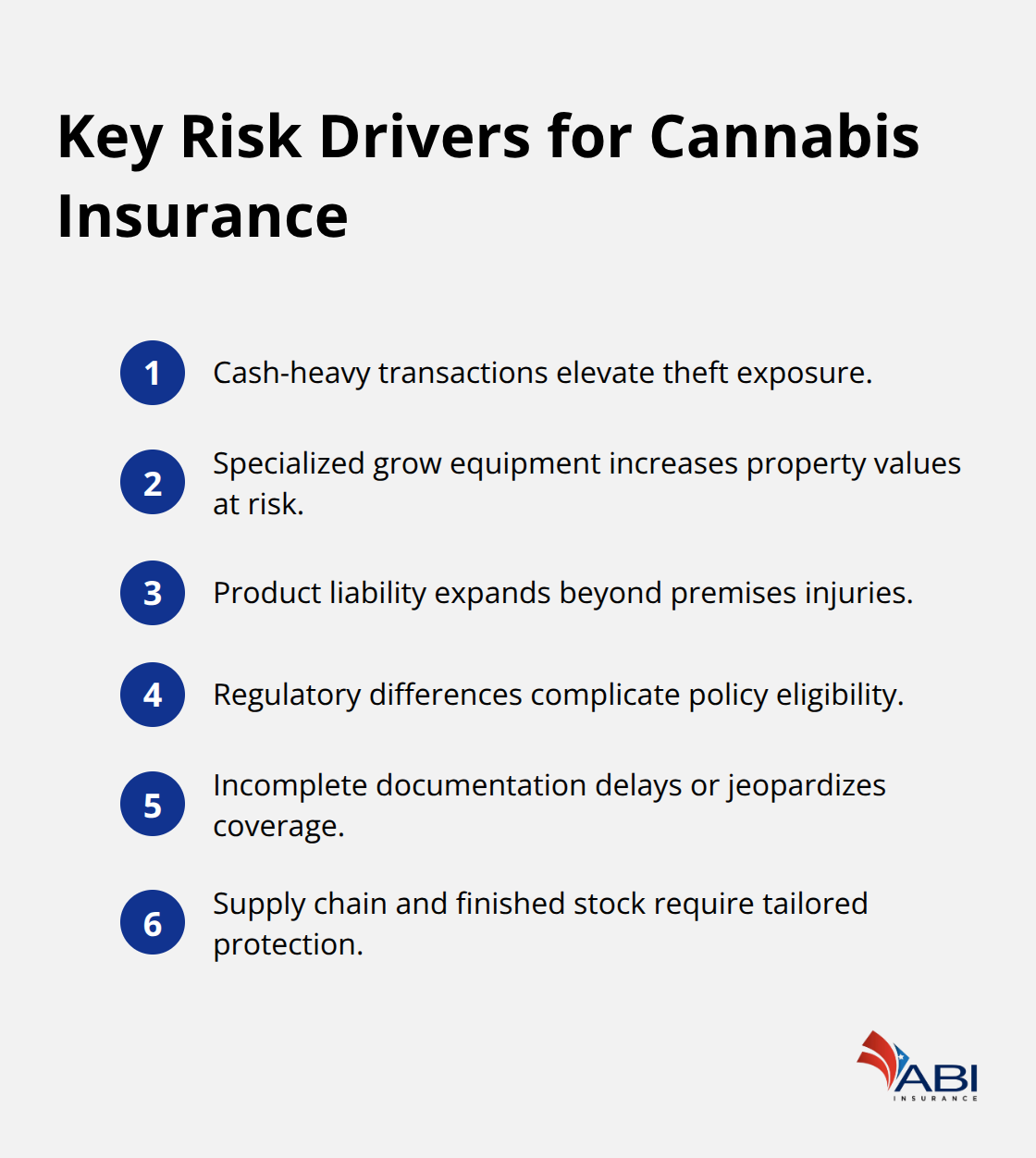
You need a commercial insurance package designed specifically for cannabis operations, with underwriters who understand your licensing requirements, your security protocols, and your supply chain risks.
Why Specialized Underwriting Matters for Your Operation
Cannabis-specific commercial insurance packages address coverage gaps that sink standard policies. General liability in a cannabis context must cover product liability from edibles, flower, and concentrates, not just premises liability from customer slips and falls. Property coverage needs to account for cannabis-specific equipment like drying racks, grow lights, and climate control systems that standard policies may exclude or undervalue. Business income coverage becomes critical when a fire, theft, or equipment failure halts operations. A commercial package for cannabis can also include finished stock insurance to protect your inventory from burglary, fire, and vandalism at every stage.
Workers’ Compensation and Compliance Documentation
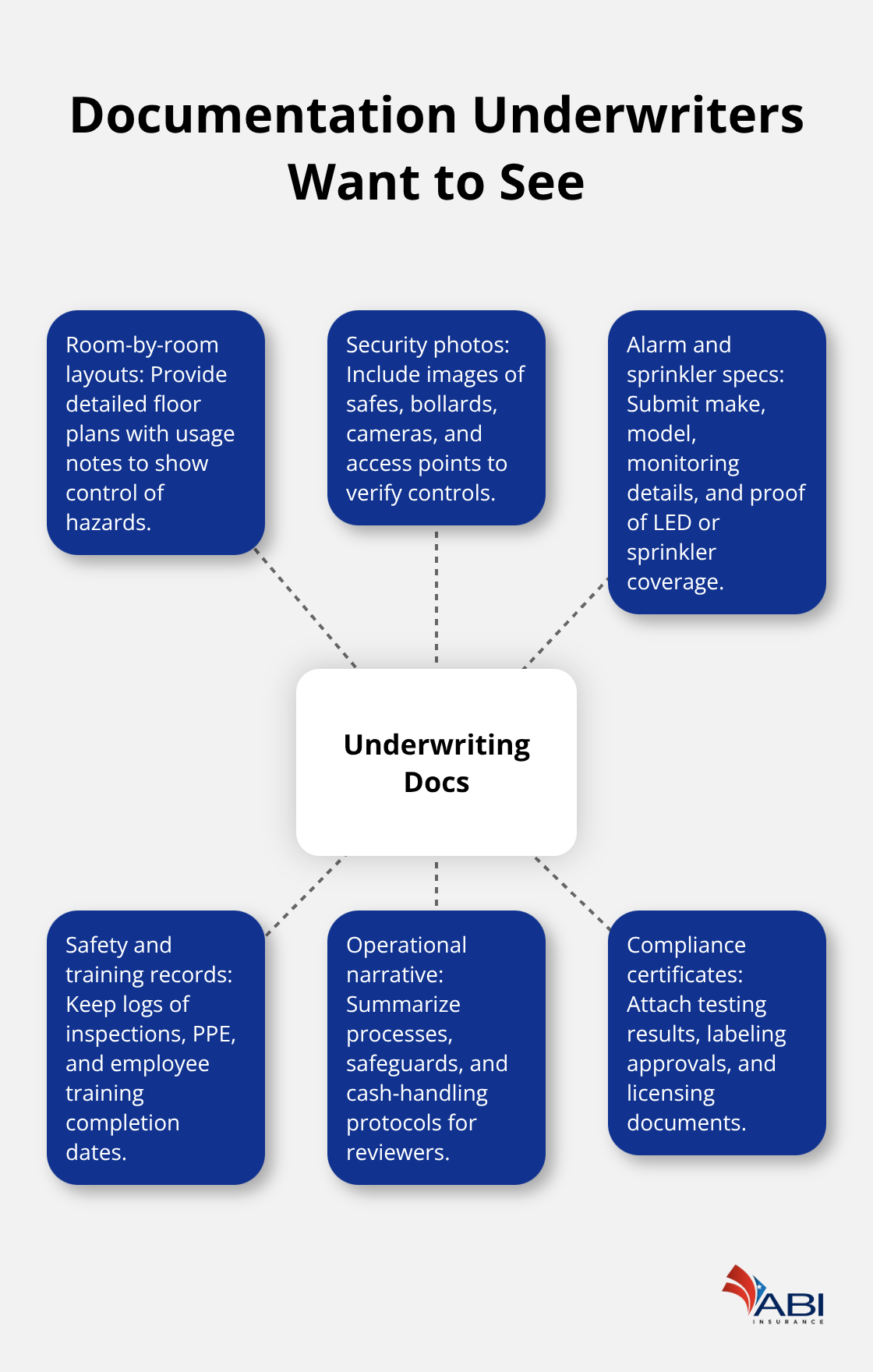
Your workers’ compensation requirements differ because cultivation work involves higher injury risk from falls and equipment handling compared to a retail exposure. Compliance documentation matters more: underwriters expect detailed room-by-room layouts, photos of safety systems, alarm specifications, and proof of LED lighting or full sprinkler systems. Applicants who provide incomplete applications face delays or coverage denials, so transparency about your operation directly impacts your ability to secure coverage and avoid claim disputes later.
Calculating Your Policy Cost and Coverage Needs
Your cannabis operation’s insurance cost depends on several concrete factors: number of employees, facility location, chosen coverage limits, claims history, and implemented safeguards. Fire risk in cultivation increases when you use incandescent lighting, so underwriters typically require 100% LED lighting or a fully sprinklered facility to qualify for coverage. Theft risk heightens with large cash handling, and claims can be denied if you misrepresent your security measures or fail to implement required safeguards like sturdy safes and wired alarm systems. State regulations also shape what coverage you can obtain; product liability insurance is mandatory in Massachusetts and Michigan, while some states require general liability as a licensing condition.
Moving Toward a Tailored Protection Strategy
A cannabis insurance package provides options like equipment breakdown coverage, product recall insurance, and cyber liability. These options will cost more than a standard policy, but the protection aligns with your actual exposures. The most effective safeguards come from tailoring a multi-policy approach with an agent who understands cannabis underwriting, not from accepting whatever a general broker offers. Your next step involves identifying which specific coverage gaps exist in your current operation and determining which add-ons address your highest-risk exposures.
Three Coverage Pillars for Cannabis Operations
General Liability: Protecting Against Product and Premises Risks
General liability in cannabis retail must account for product liability from edibles, the flower, and concentrates, not just premises liability from customer injuries. A THC-infused beverage with inconsistent potency creates genuine medical risk and potential lawsuits that standard retail policies exclude entirely. Most drinks contain 2.5 to 5 milligrams of THC, but some products range up to 10 milligrams or even 100 milligrams, amplifying the exposure. State-level mandates complicate this further: Massachusetts and Michigan require product liability insurance for cannabis operators, making it non-negotiable in those markets. Standard policies treat cannabis like conventional retail, which leaves your operation exposed to claims that underwriters will deny based on vague policy language around Schedule I drugs.
Property Insurance: Protecting Facilities, Equipment, and Inventory
Property insurance for cultivation facilities and retail locations must protect drying racks, grow lights, climate control equipment, and finished inventory from theft, fire, and vandalism. In 2022, approximately 202.7 million dollars in losses were covered under business property insurance in the cannabis sector, illustrating the scale of claims your operation faces. A single armed robbery exposes a dispensary to roughly 100,000 dollars in inventory loss. Finished stock insurance protects your inventory at every stage from burglary, fire, and vandalism-coverage that standard policies often exclude or severely limit.
Fire risk in cultivation increases sharply with incandescent lighting, so underwriters require 100 percent LED lighting or fully sprinklered facilities to approve coverage. Equipment breakdown coverage protects repair or replacement costs when your grow room climate system or lighting fails unexpectedly-a mechanical failure that standard property policies often exclude. This protection matters because a single equipment failure can halt your entire operation and eliminate revenue for weeks.
Workers’ Compensation: Addressing High-Risk Cultivation Work
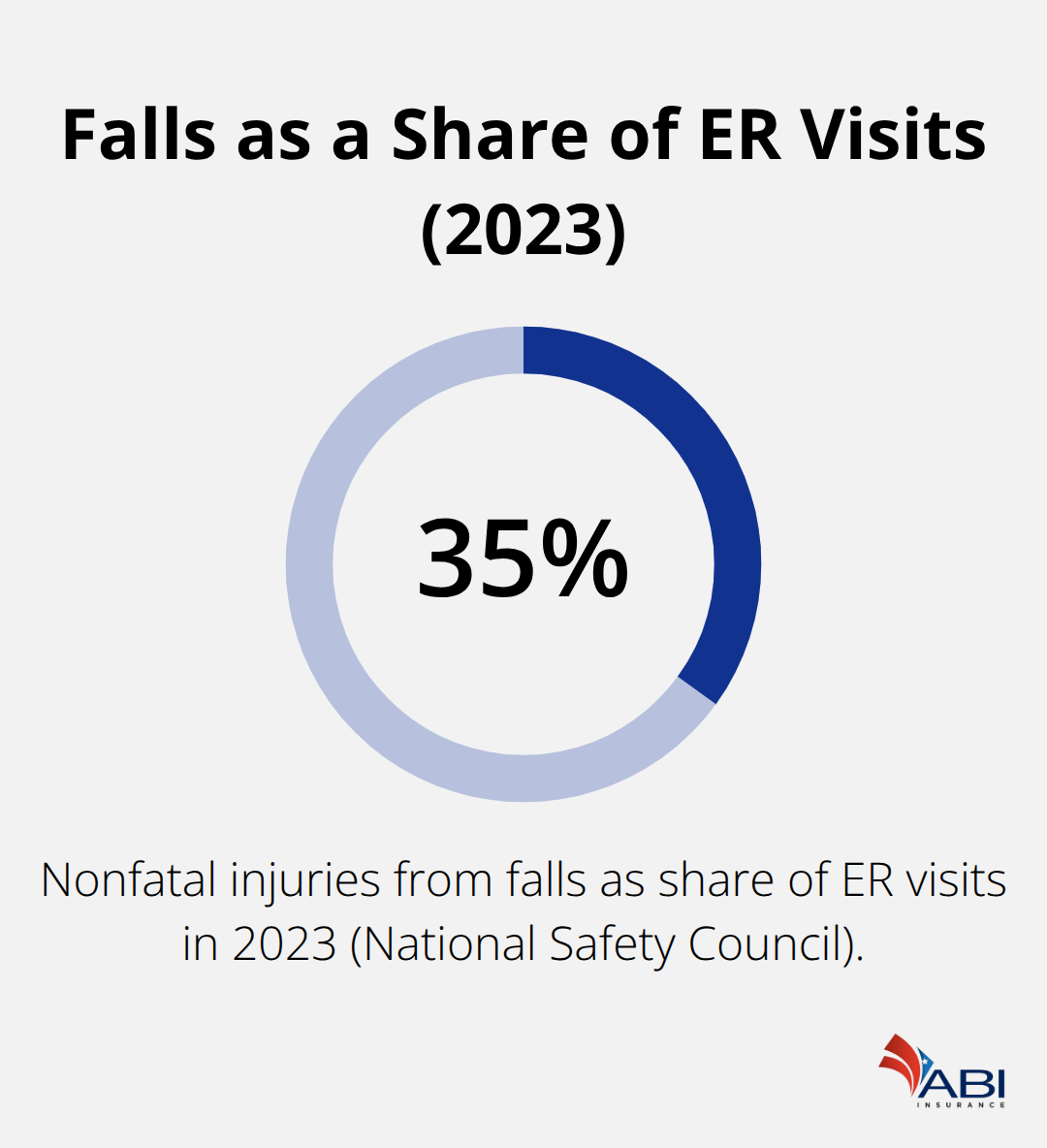
Workers’ compensation for cannabis employees differs from traditional retail because cultivation work involves higher injury frequency from falls and equipment handling. Nonfatal injuries from falls accounted for 35 percent of emergency room visits in 2023 according to the National Safety Council, making fall protection a compliance priority in your facility.
Underwriters evaluate your operation’s safety protocols closely: they want documentation of proper ventilation, lighting specifications, safety equipment, and training records. Incomplete applications delay coverage or trigger denials, so provide room-by-room layouts, photos of safety systems, and proof of alarm installations before underwriters request them.
Documentation and Transparency Drive Underwriting Success
State regulations determine whether workers’ compensation is mandatory; most states require it for any business with employees, making it a baseline requirement you cannot skip. The underwriting process rewards transparency: applicants who submit detailed narratives, comprehensive facility layouts, and photographic evidence of safeguards receive faster approvals and better terms. Misrepresenting your security measures or failing to implement required safeguards like sturdy safes and wired alarm systems will trigger claim denials later, even if underwriters initially approve your policy. Your documentation directly impacts both your ability to secure coverage and your ability to recover losses when claims arise.
These three pillars form your foundation, but your specific operation’s risks determine which add-on coverages you need to address gaps that standard policies leave exposed.
Compliance and Risk Management for Cannabis Operations
Federal Schedule I classification creates a permanent compliance gap that no insurance policy fully resolves, which is why your documentation and risk controls become your actual safeguards. Cannabis remains federally illegal, meaning state regulations vary wildly and your licensing requirements differ depending on where you operate. Rhode Island, Maryland, and Missouri legalized recreational cannabis in 2022. Each state imposes different testing requirements, labeling standards, advertising restrictions, and inventory tracking protocols that directly affect your insurance eligibility and claims outcomes. Massachusetts and Michigan mandate product liability insurance as a licensing condition, while other states require general liability coverage before you can obtain a retail license.
Your compliance obligations extend far beyond licensing. You must maintain accurate inventory records that document product source, quantity, and location to satisfy testing and traceability requirements. Your cannabis products must pass potency and purity testing aligned with state regulations-internal quality assurance that prevents you from selling unsafe products that would trigger product recalls and liability claims. Product labeling must accurately reflect ingredients, potency, and expiration dates or you face fines and license suspension. Advertising campaigns must comply with state-specific rules that vary dramatically; some states prohibit any visual depiction of cannabis, while others restrict claims about health benefits. Employment practices must comply with anti-discrimination laws, and your workplace must provide safe conditions including proper ventilation, lighting, and safety equipment. Underwriters evaluate all of this during application review, and incomplete or inaccurate compliance documentation triggers coverage denials.
Security Protocols That Underwriters Require
Theft risk in cannabis operations demands security measures that go beyond what standard retail requires. Underwriters expect armored car transport for cash deposits because your operation handles large volumes of currency with limited banking options due to federal restrictions. Your facility needs sturdy safes for currency storage and wired alarm systems that deter theft and support claim validity if robbery occurs. Bollards at entrances prevent ram-raid-style attacks that target cash-heavy cannabis retailers.
Fire risk in cultivation facilities requires 100 percent LED lighting or fully sprinklered systems as a non-negotiable condition for coverage approval. Individual room ventilation matters because it contains fires to a single room rather than allowing spread throughout your facility. Equipment breakdown coverage protects your climate control and lighting systems from sudden mechanical failure-a realistic threat in cultivation operations where HVAC malfunctions can destroy entire crops within hours.
Documentation That Determines Coverage Approval
Documentation of these safeguards directly determines whether underwriters approve your application and whether they honor claims after losses occur. Applicants who submit detailed room-by-room layouts, photographs of security systems, alarm specifications, and proof of sprinkler or LED configurations receive faster approvals and better premium terms. Misrepresenting your security measures or failing to implement required safeguards will trigger claim denials later, even if underwriters initially approved your policy.
The cannabis industry generated over 31.8 billion dollars in U.S. sales in 2023, attracting both legitimate operators and criminal attention, which is why your documented security controls become your strongest defense against both underwriter skepticism and actual loss.
Records That Support Claims Recovery
When losses occur, your documentation determines whether insurers pay claims or deny them based on policy exclusions and misrepresentation. Maintain detailed records of your compliance efforts: testing certificates, labeling approvals, inventory reconciliation, employee training records, and safety system maintenance logs. Photograph your facility interior and exterior regularly, documenting security systems, sprinkler installations, LED lighting, and alarm placements. Create a comprehensive narrative describing your operation, your safeguards, and your loss-prevention practices that you can provide to underwriters during application and again during claims investigation.
If you experience a covered loss, your detailed documentation accelerates claims investigation and prevents underwriters from denying payment based on ambiguity about what safeguards actually existed. Incomplete or vague documentation invites underwriter skepticism and claim delays. The cannabis industry’s regulatory complexity means your best protection combines specialized insurance with transparent documentation and proactive risk controls that demonstrate your commitment to legitimate operations.
Final Thoughts
Specialized commercial insurance packages for cannabis operators separates thriving businesses from those buried under claim denials and uninsured losses. Standard policies were built for traditional retail, not for operations handling cash-only transactions, managing federal Schedule I constraints, or operating cultivation facilities with specialized equipment. Your cannabis business faces theft risks, fire exposures, product liability from inconsistent potency, and compliance requirements that generic underwriters simply don’t understand.
Finding the right insurance partner matters more than securing the lowest premium. You need an agent who understands cannabis licensing requirements across your state, who knows which underwriters will approve your application without unnecessary delays, and who can guide you toward the specific add-ons that address your operation’s highest-risk exposures. The cannabis industry generated over 31.8 billion dollars in U.S. sales in 2023, and that growth continues as more states legalize recreational access.
At ABI Insurance, we deliver personalized insurance solutions backed by more than 40 years of experience serving businesses across the Western U.S. We understand cannabis operations because we’ve worked with operators across multiple states, and we know how to structure coverage that protects your assets while keeping premiums reasonable. Contact ABI Insurance to discuss your operation’s specific protection needs and build a safeguards strategy that supports long-term growth.







 Oregon Homeowners Insurance Discounts: Ways to Cut Premiums