Sudden property damage can upend your life, but navigating an insurance claim doesn’t have to add to the stress. Knowing the best course of action and proper points of contact can drastically speed up the claims process and maximize any potential insurance payout. By being aware of the steps outlined below, you can be prepared to act.
Step 1: Mitigation and preferred contractors
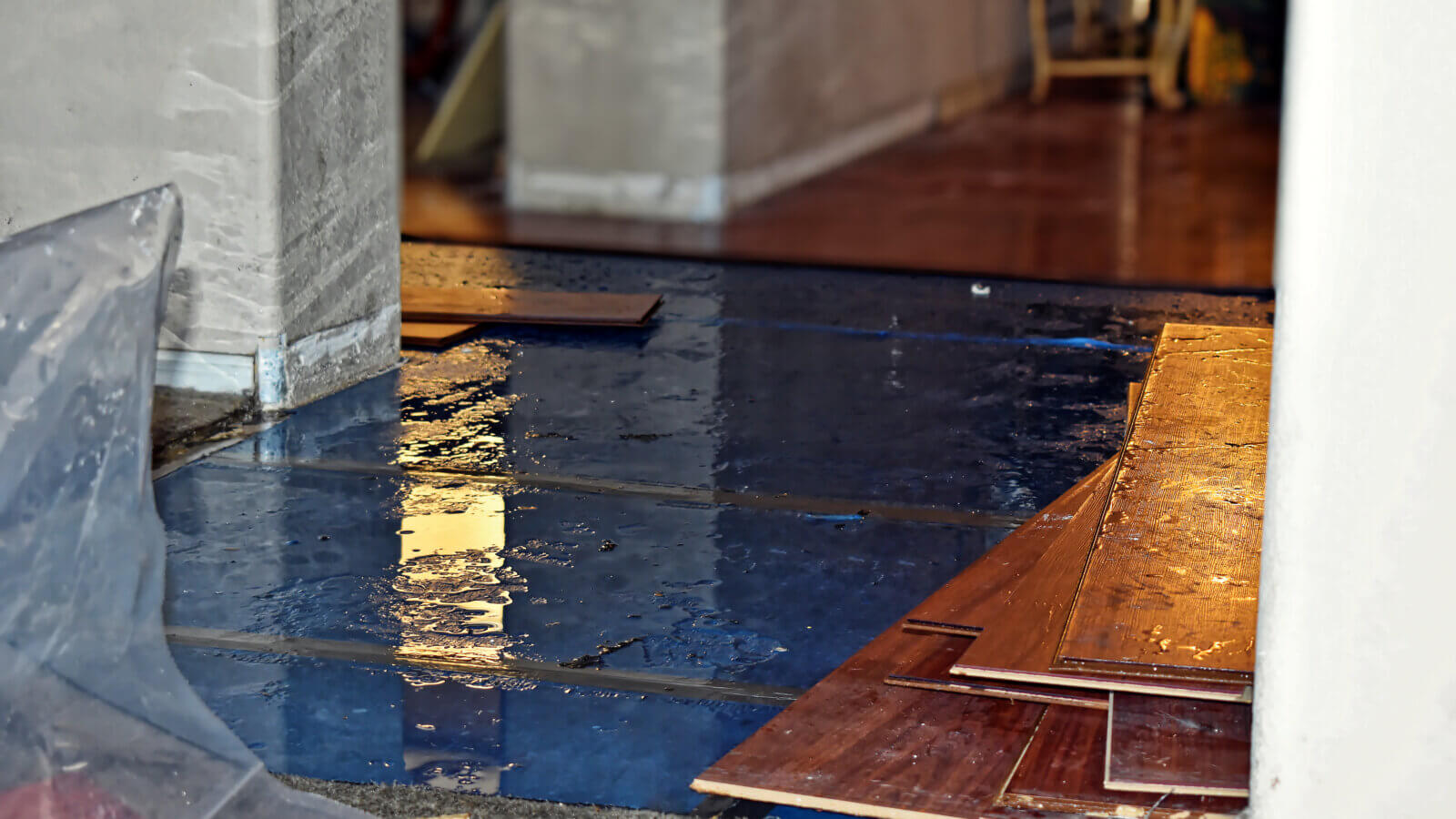
Immediately after a loss, the unit owner must act to prevent further damage. For example, if a dishwasher is leaking, turn off the appliance and contain the water. Whatever the loss, try to stop any further damage. Next, contact a vetted mitigation company. Many associations have a preferred list of vetted contractors, which unit owners should obtain from the property manager or board member in advance, if available. It is essential to request the list from the property manager or board member before a problem arises.
Step 2: Contact your insurance agent and your association
Contact your insurance agent and notify your association of a potential claim, as soon as possible. If a claim must be filed, the insurance agent will advise on how to file a claim and may offer tips on working with the adjuster. Once a claim is started, an adjuster will be assigned to the case.
Additionally, the property manager and/or association board member must be notified about the issue. Some associations may assign a contact to act as the community liaison for insurance claims. This person could be a board member, community member, or property manager. Always include the appointed liaison and the property manager in all claim communications and developments.
Step 3: Documentation
Documentation is crucial to the claims insurance process. Initially, you need to collect photos and/or videos of the damage, and gather loss details and insurance documents. The best time to document the damage is after the problem occurs and before a vetted contractor arrives to make repairs. Photos and/or videos will make the adjuster’s job easier. Remember to open cupboards and drawers and document the contents.
A home inventory can be extremely helpful during this time. If you have previously prepared one, go through the list and mark the damaged items. If you don’t have an inventory,
create a list of all items damaged during the claim event. As the claim process continues, maintain detailed records of correspondence, estimates, and invoices from both the mitigation and restoration contractors. This critical step will help those who need access to the claim documentation.
Sudden property damage can be disruptive, and knowing the right steps can keep the claim process manageable. Mitigating further damage, being prepared with a vetted contractor list, alerting your insurance agent and association, and coordinating with the proper contacts all help ensure the claim moves forward smoothly.


 Estimating Portland Condo Insurance Cost Without Surprises