Imagine waking up to the sound of raindrops tapping on your window, or the subtle rumble of the earth beneath your feet. These natural occurrences can remind us of nature’s unpredictable force. As a homeowner, you know the importance of safeguarding your home against unexpected events. That’s why we’re here to guide you through the essentials of flood and earthquake insurance, ensuring peace of mind and protection for your cherished sanctuary. Let’s explore how you can insure your home with confidence.
Earthquake insurance
The Pacific Northwest is a high-risk seismic area and anyone who owns a home, condominium, or rents a property should consider the benefits of purchasing earthquake insurance. According to Oregon.gov, an official website of the State of Oregon, about 20% of Oregonians are insured with earthquake insurance. Typically, earthquake insurance is not included in a standard homeowners policy and must be purchased separately.
In the aftermath of an earthquake, homeowners are often left to deal with the consequences, especially if they lack earthquake insurance. Standard homeowner policies typically exclude coverage for earthquake-related damage. This exclusion leaves homeowners responsible for the tasks of repairing or rebuilding their homes, replacing damaged property, and covering temporary housing expenses during the restoration process.
Earthquake policies vary depending on the coverage needed and can include:
- Dwelling coverage
- Personal property coverage
- Additional living expenses (ALE) or loss of use coverage
- Other structures coverage
- Landscaping coverage
Each homeowner has a unique circumstance. Our licensed agents can help you find a separate earthquake policy to fit your needs.
Flood insurance
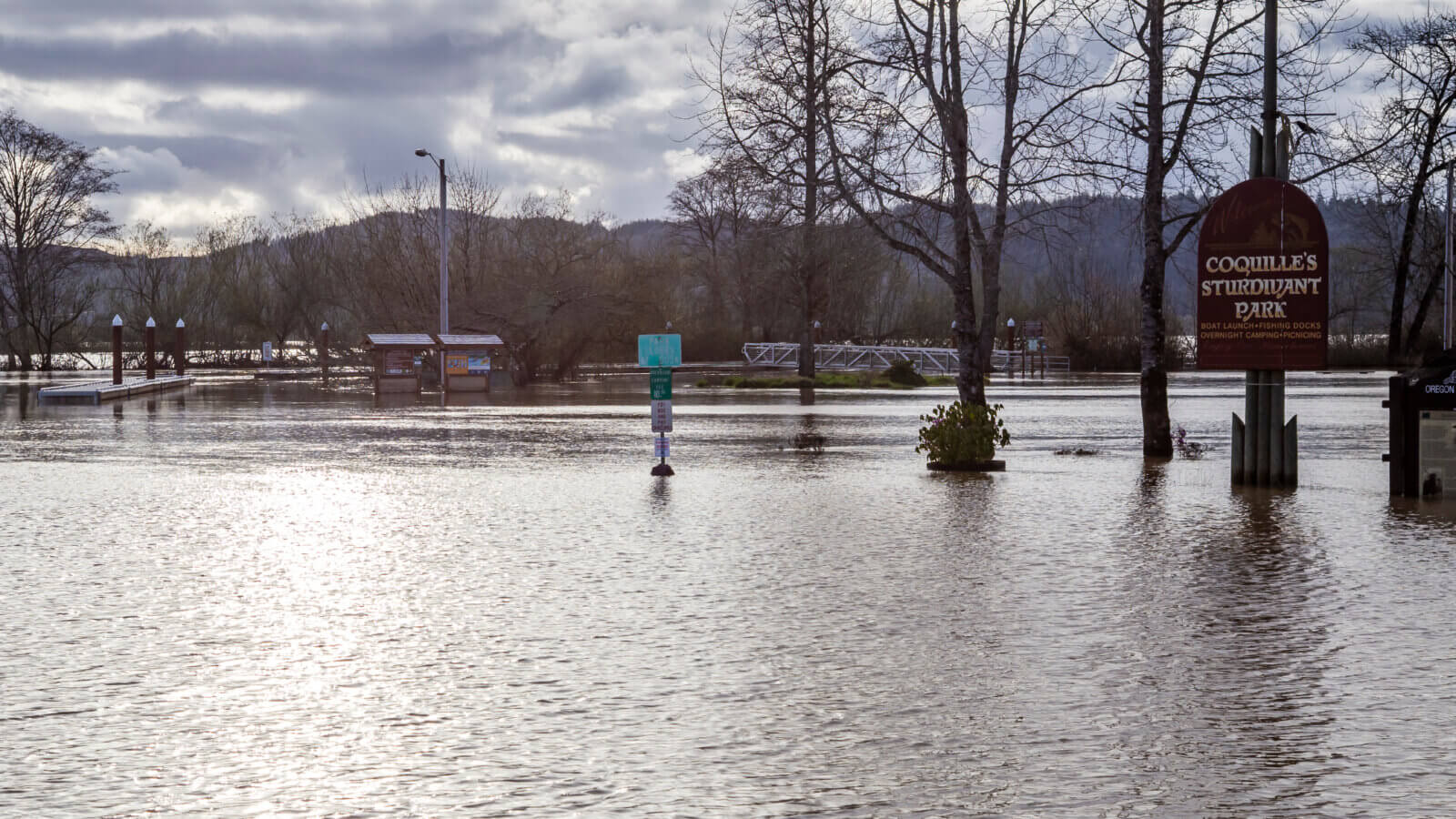
Flood damage, even in areas deemed low-risk, can lead to substantial damage to a home, often surpassing its actual value. Unfortunately, many misconceptions regarding flood insurance exist.
Three common misconceptions include:
- First, if you don’t live in a flood zone, you don’t need flood insurance. Flood insurance is available nationwide for a reason – flooding can occur even in low-risk areas. The silver lining for those in low-risk regions is that flood insurance premiums are generally more affordable compared to those living in flood-prone areas.
- A second misconception is that homeowners insurance is sufficient to cover flood-related damage. Homeowners insurance policies explicitly exclude damage resulting from flooding. Damage from a flood requires an additional policy and is not the same as water damage which is covered under some homeowner policies. Additionally, if you live in a high-risk flood area and have a mortgage, your mortgage provider will likely mandate the purchase of a flood insurance policy.
- Finally, some may believe that flood insurance can only be acquired directly from the Federal Emergency Management Agency (FEMA). While FEMA administers the National Flood Insurance Program (NFIP), consumers can only purchase NFIP policies through participating insurance agents. Neither FEMA nor NFIP sell flood insurance policies directly to consumers. Some insurance companies offer private flood insurance policies that may have lower rates than NFIP policies.
Flood insurance policies also come with limitations, typically excluding property outside of the insured structure. For example, a policy may exclude a deck, hot tub, swimming pool, or more.
A homeowner may purchase flood insurance at any time, however, a 30-day waiting period exists. This 30-day period aims to prevent owners from purchasing flood insurance only when a flood is approaching.
Earthquake and flood insurance policies are not included in a standard homeowners insurance policy. To protect your home from floods and earthquakes separate policies for each must be purchased. Our licensed agents can assist in obtaining quotes for flood and earthquake insurance. Contact your ABI Insurance agent for more information, 503.292.1580.



 Safeguard Your Board from Lawsuits