Did you know your insurance coverage can change the moment your condominium unit becomes unoccupied or vacant? Many owners don’t know that being away for too long can limit or even void coverage. If you plan to be away for 60 days or more, it’s advisable to notify your insurance agent to avoid losing your insurance coverage. Insurers are concerned about an empty condo unit because it poses higher risks. Water damage, break-ins, and vandalism can turn into larger problems and require repairs while a unit owner is away.
What “Unoccupied” Means
Your unit is considered unoccupied when you live in it but are away temporarily. Vacations, business trips, extended visits, and seasonal travel are all examples of unoccupied units. Unoccupied differs from vacant because the unit is furnished and someone is away for an extended time.
What “Vacant” Means
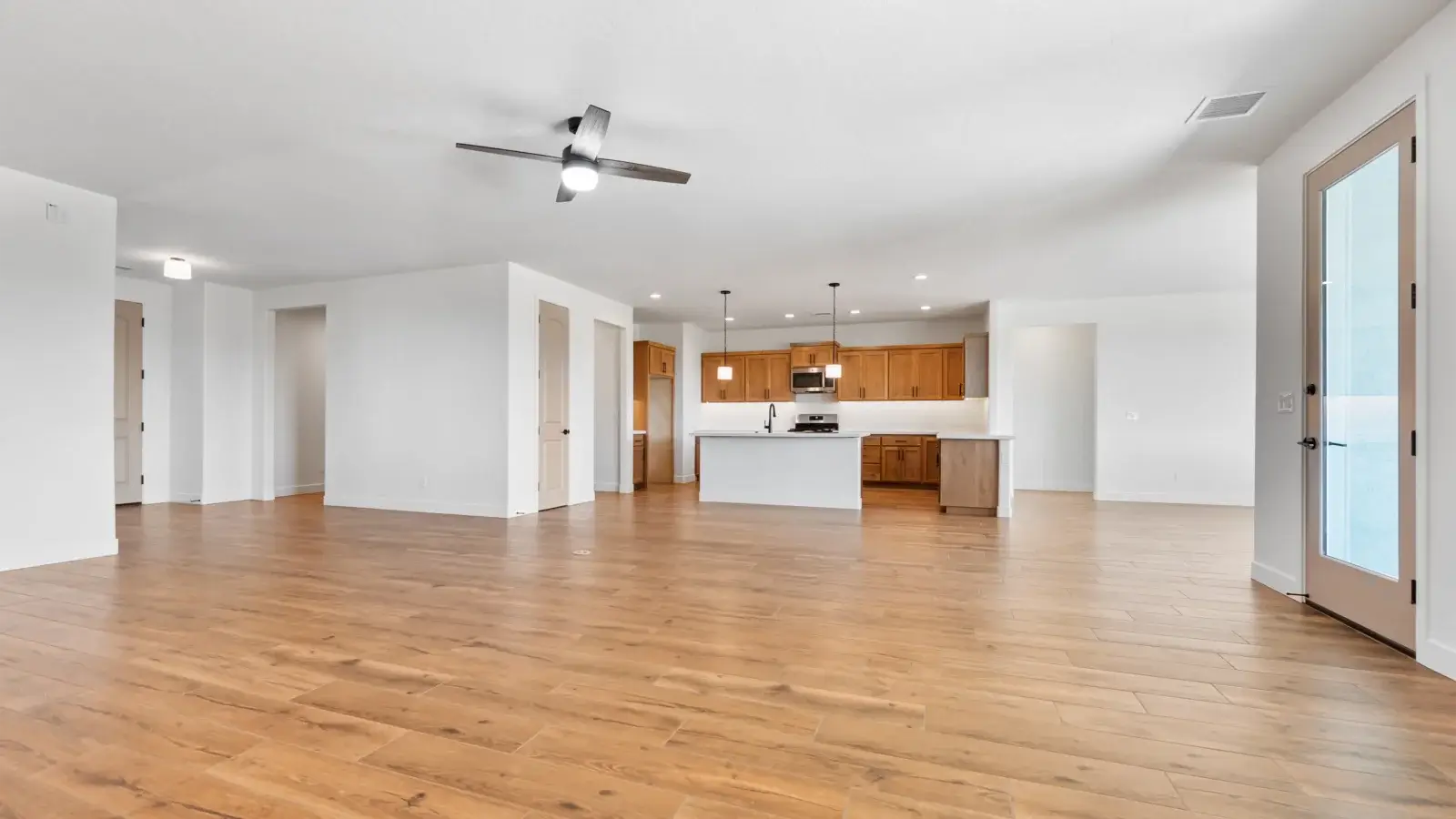
A unit is vacant when no one is living in it, and it has no furniture inside. This could include the owner moving out, the unit is undergoing renovation, or it is empty and for sale. Some insurance carriers won’t insure a vacant unit and instead require a new policy.
Situations of a vacant unit could include the owner moving out, the unit is undergoing renovation, or it is empty and for sale. Some insurance carriers won’t insure a vacant unit and instead require a new policy.
Loss Prevention Measures
Loss prevention for unoccupied or vacant units is essential. When a unit is unoccupied or vacant, the risks increase. For example, water leaks can go unnoticed and spread to other units, or vandalism and break-ins can occur. Before leaving for an extended period, the unit owner must take steps to prevent a loss.
Those steps include:
- Contact your insurance agent and clarify whether your policy covers your unit while you are away.
- Let the building concierge know that you will be away.
- Ask a trusted friend or neighbor to check on your property.
- Keep the thermostat at 55 degrees Fahrenheit, especially during the winter months.
- Lock all windows and doors and activate security systems.
- Unplug appliances and electronics that are not in use.
- Turn off a refrigerator’s water dispenser and ice maker according to the manufacturer’s instructions.
- Consider installing a water detection device to detect
water leaks.
- Make your home look occupied by using timers, and post your vacation pictures on social media after you return.
If you’re gone longer than your policy allows — sometimes as little as 60 days — your insurer can deny claims for damage that happens while you’re away. If you’re ever unsure whether your unit counts as unoccupied or vacant, ask your insurance agent — a quick call now can prevent a denied claim later.


 Smart Signage: A Way to Prevent Costly Claims