Installing clear signs on community property helps a condominium association or HOA reduce accidents and prevent insurance claims. This simple step can lower liability, protect residents, and support the association if a claim occurs. Associations often install signs in shared areas where accidents are more likely. Signs also show that the HOA is taking reasonable steps to maintain a safe property.
Common types of safety signs include:
- No Lifeguard on Duty
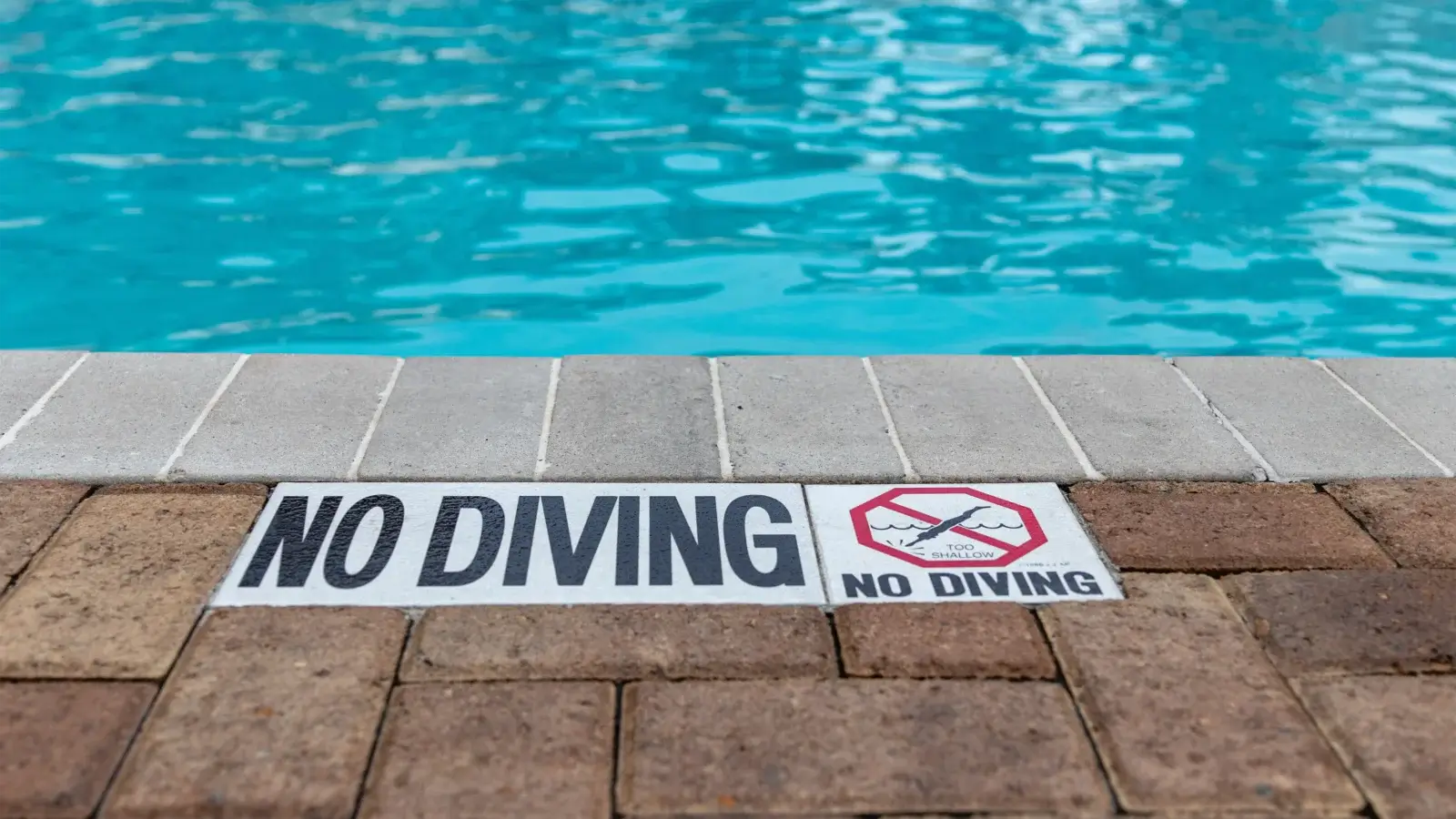
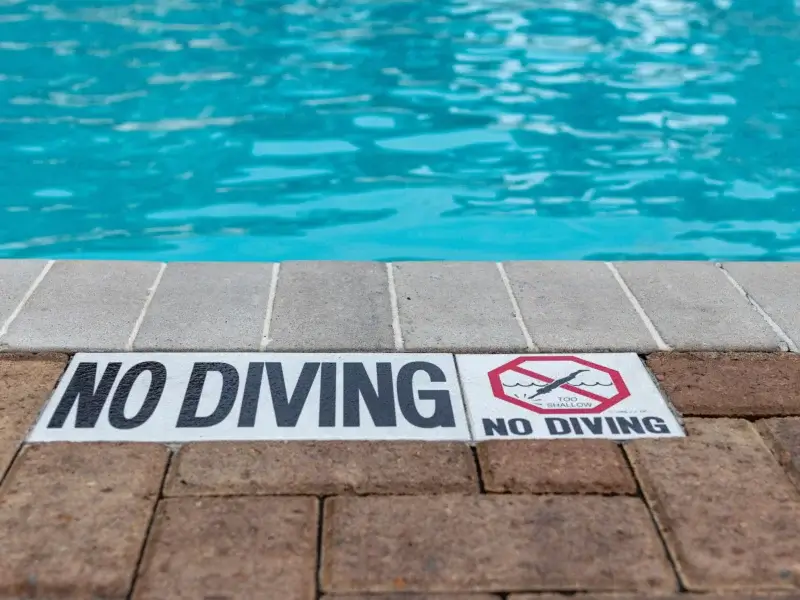
- No Diving
- Children Must Be Supervised
- Stop signs
- Speed limit signs
- Fire lane or tow-away warnings
- Wet Floor
- Slippery When Wet
- Caution: Uneven Surface
- Private property
- Surveillance or security camera notices
- Restricted access areas
Safety signs reduce risk and can help prevent claims in several important ways. First, they warn residents and guests about potential hazards so people can take precautions and avoid accidents. When people clearly see a warning, they are more likely to slow down, watch their step, or supervise children more carefully. Signs also encourage safer behavior by reminding people about community rules and safety expectations in shared areas.
Additionally, signs help document that the association has provided notice of known risks on the property. This shows that the association is taking reasonable steps to maintain a safe environment for residents and visitors. If an accident does occur, visible warning signs can also help defend liability claims by demonstrating that the hazard was clearly identified and communicated.


 How Insurance Resolutions Reduce Risk and Disputes