
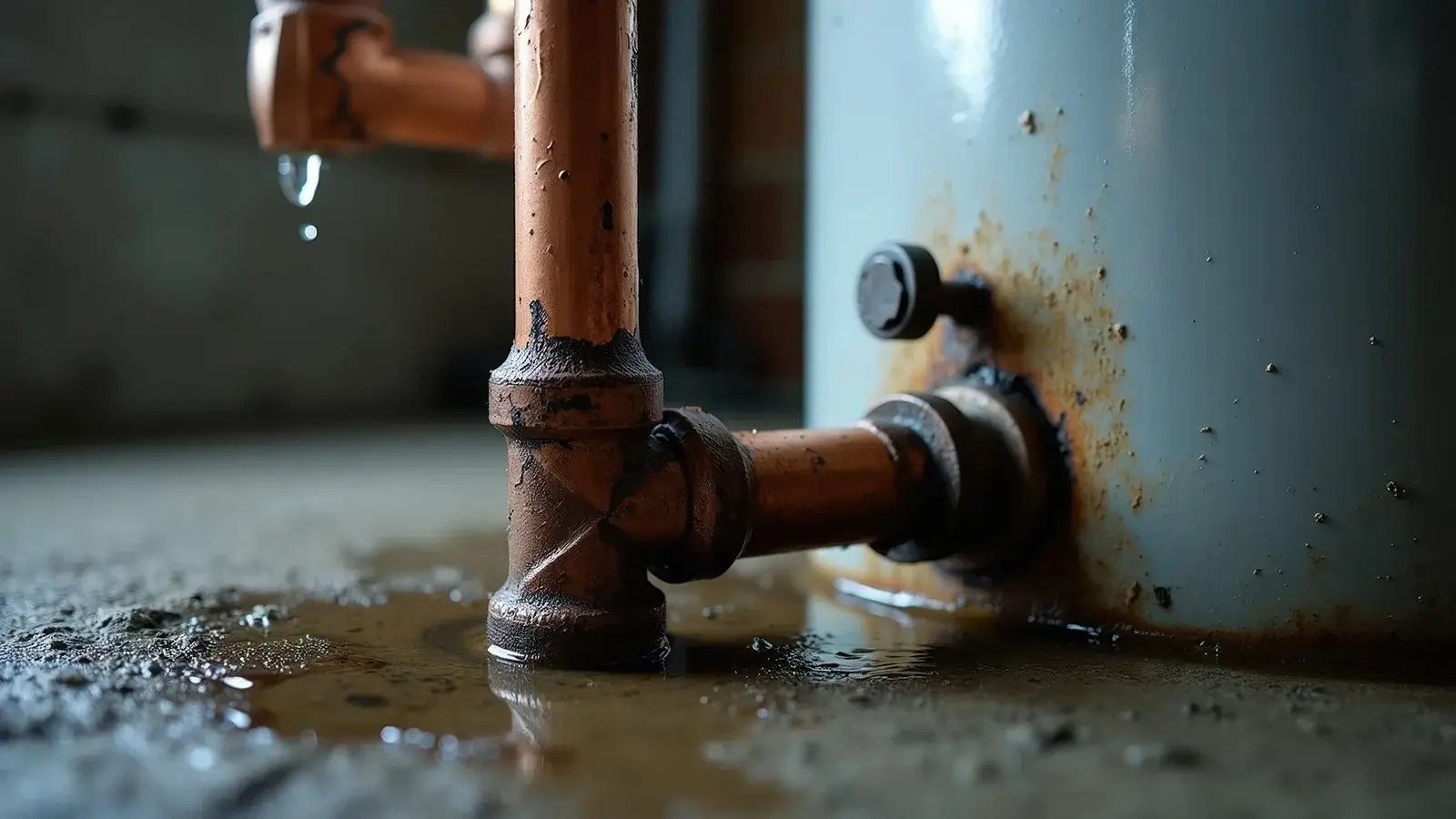
One of the most common misunderstandings in condominium ownership is the difference between maintenance responsibilities and insurance coverage. While insurance is intended to respond to sudden and accidental losses, it should not be viewed as a replacement for proper maintenance.
Insurance typically covers unexpected events such as a burst pipe, fire, windstorm, or other covered peril. However, when damage results from long-term neglect, wear and tear, deterioration, corrosion, or failure to maintain the property, insurance coverage may be limited or denied altogether.
For example, if a water line suddenly bursts and causes damage, insurance may respond to the resulting damage. However, if a pipe slowly leaks over months due to lack of maintenance, the repair costs and resulting damage may become the responsibility of the owner or association.
Condominium owners should also understand that insurance generally does not cover repairs to the failed part. Instead, it covers the resulting damage caused by the failure. The cost of replacing an aging roof, a worn plumbing system, or a deteriorated appliance is typically considered a maintenance expense.
The best way to avoid costly surprises is through regular inspections, preventative maintenance, and a clear understanding of the responsibilities outlined in the association’s governing documents and insurance policies. Proper maintenance protects property values and helps ensure insurance coverage is available when it is truly needed.


 Commercial Auto Insurance Rates: Finding the Best Value









