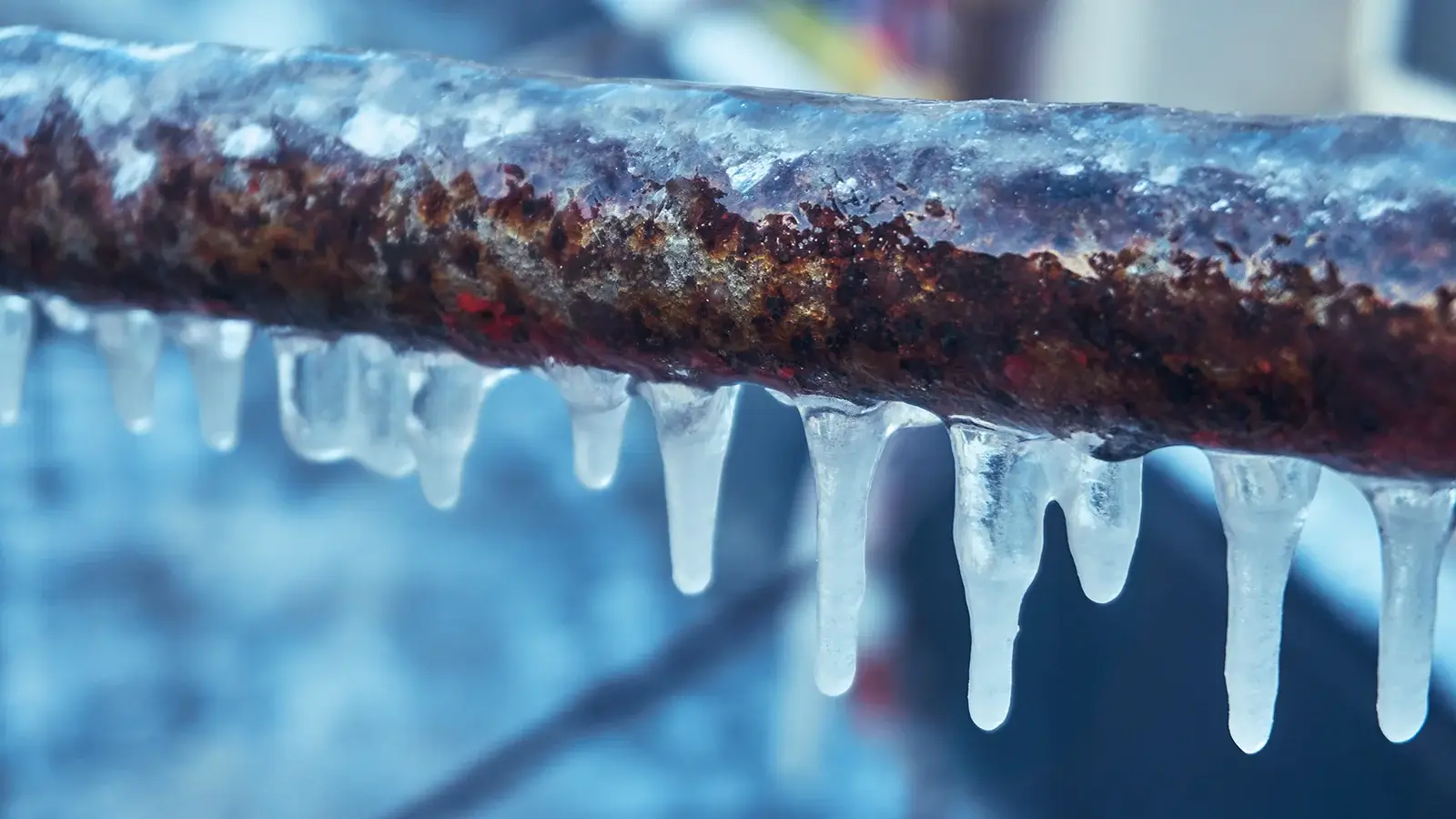
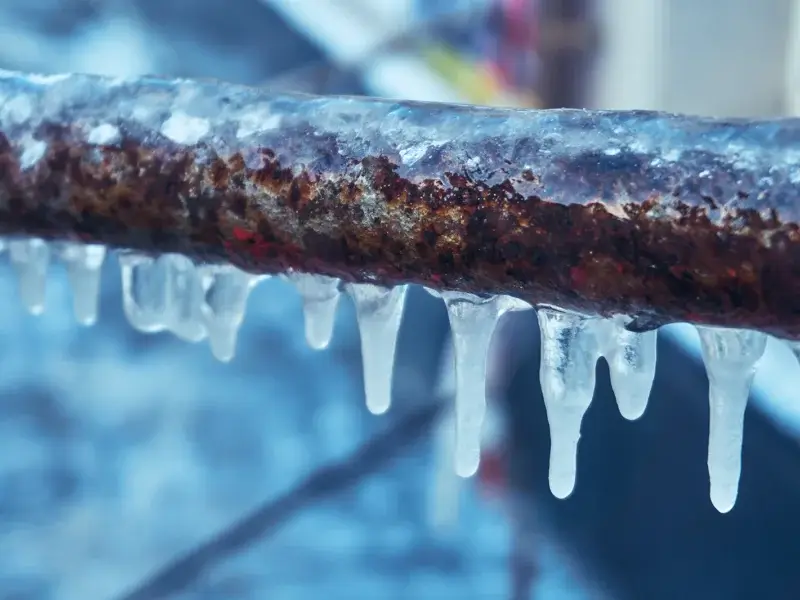
As temperatures drop during winter, frozen pipes become a significant concern for condominium associations and unit owners. A single frozen pipe can burst, releasing hundreds of gallons of water and causing extensive damage to multiple units and common areas. While these losses are often covered by insurance, certain circumstances can create unexpected coverage issues.
Understand Insurance Coverage
Most condominium associations carry an all-inclusive property insurance policy, which generally provides coverage for the building, including interior fixtures, improvements, and finishes within individual units. When a pipe bursts, the association’s master policy may respond to covered building damage, regardless of where the pipe is located, subject to the deductible. However, one of the most important coverage considerations is whether the unit maintained adequate heat.
Keep the Heat on to Prevent Coverage Issues
Some insurance policies contain exclusions or conditions relating to frozen plumbing when the heat has not been maintained. If an owner leaves the heat off in a unit while away and a pipe freezes, the insurance carrier may deny coverage for certain damage within that unit.
However, the carrier may still provide coverage for resulting water damage to neighboring units and common areas, depending on the policy language and circumstances of the loss. This distinction is important because a single frozen pipe can cause significant damage throughout a condominium building, potentially creating substantial financial exposure for the responsible owner.
Prevent Frozen Pipes
Associations and unit owners need to take several precautions during colder weather:
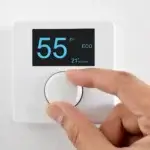
- Maintain adequate heat, even when a unit is unoccupied. Set the thermostat to a minimum of 55 degrees Fahrenheit in both individual units and common areas.
- Never completely turn off the heating system during winter.
- Open cabinet doors under sinks to let warm air reach the pipes and help prevent freezing.
- Know where water shutoff valves are located.
- Notify management immediately if heating systems fail or frozen pipes are suspected.
Maintaining adequate heat (at least 55 degrees) is one of the simplest and most effective ways to prevent frozen pipe claims. Unit owners should understand that failing to maintain heat can create insurance coverage issues and potential financial responsibility for resulting damages. A few preventative measures can help protect both individual owners and the entire condominium community.


 Turkey Fryer Safety: Keep Thanksgiving Delicious, Not Dangerous