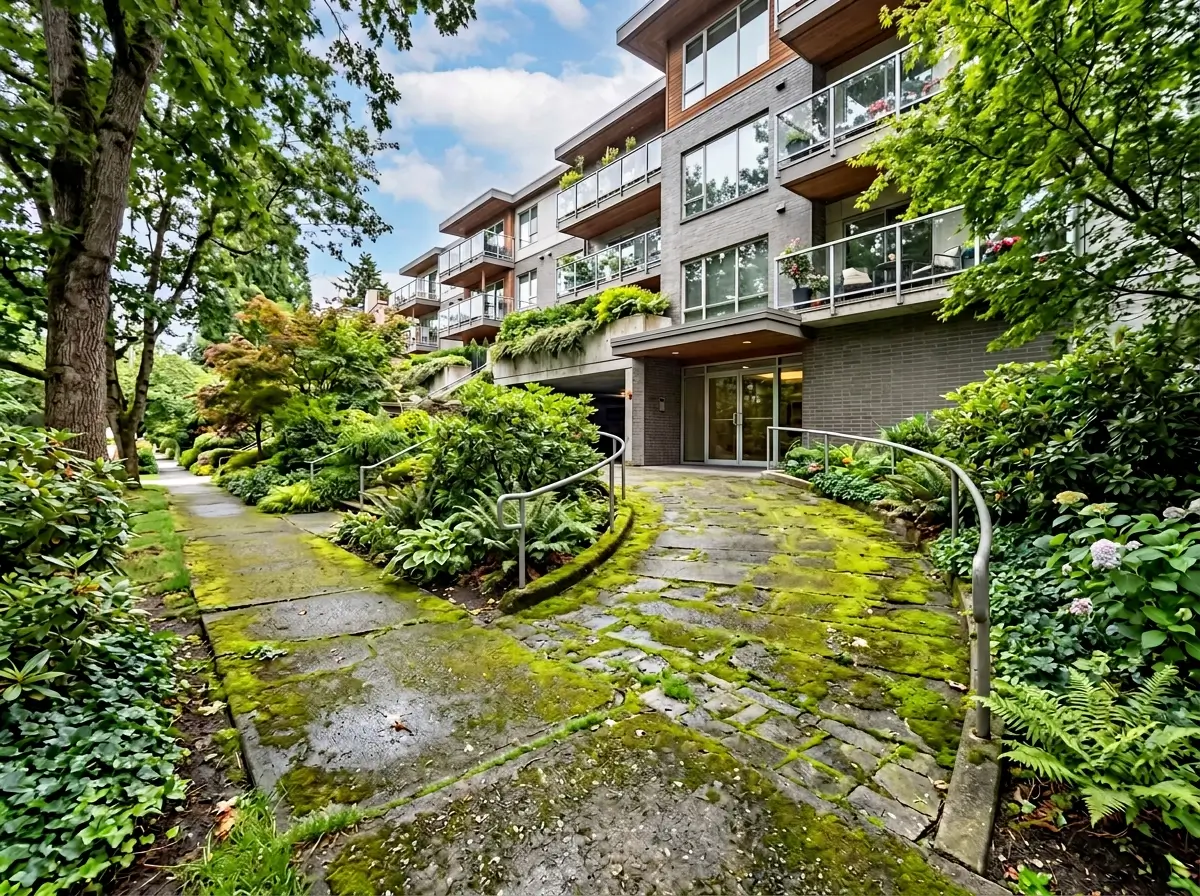
Rainy days, irrigation sprinklers, and tracked-in water can easily turn sidewalks, stairs, patios, or lobby floors into a claim-generating risk for any condominium or homeowner association.
A single slip can leave the association on the hook for a liability claim that could impact premiums. Associations need to know what to look for and the due diligence required to minimize slip-and-fall risks.
From a risk management standpoint, rainy weather is predictable. Unpredictable exposures such as clogged drains, standing water, moss growth, or worn-out anti-slip flooring can sneak up on an association and lead to unexpected claims. Associations need a consistent, thorough inspection and maintenance plan in place to avoid slip and fall hazards.
Practical steps that the association can take include:
- Inspect common areas, stairs, and entries after storms; log dates, findings, and any repairs.
- Keep drains and gutters clear of any debris or blockage.
- Keep anti-slip mats in working order; use wet-floor signage promptly.
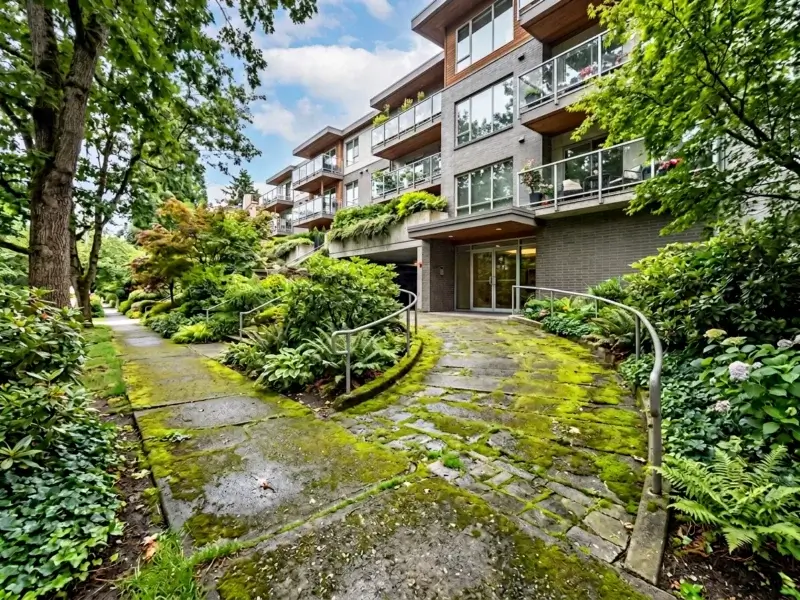
- Fix any known trip or slip hazards (moss growth, uneven pavers, broken handrails, poor lighting, etc.).
- Align vendor contracts (janitorial, landscaping, pool maintenance) with wet-weather duties.
- Report incidents quickly so the carrier can investigate while facts are fresh.
Associations can help protect themselves from common liability claims by taking active steps to minimize slip-and-fall claims.


 Earthquake Preparedness is More Than an Insurance Purchase