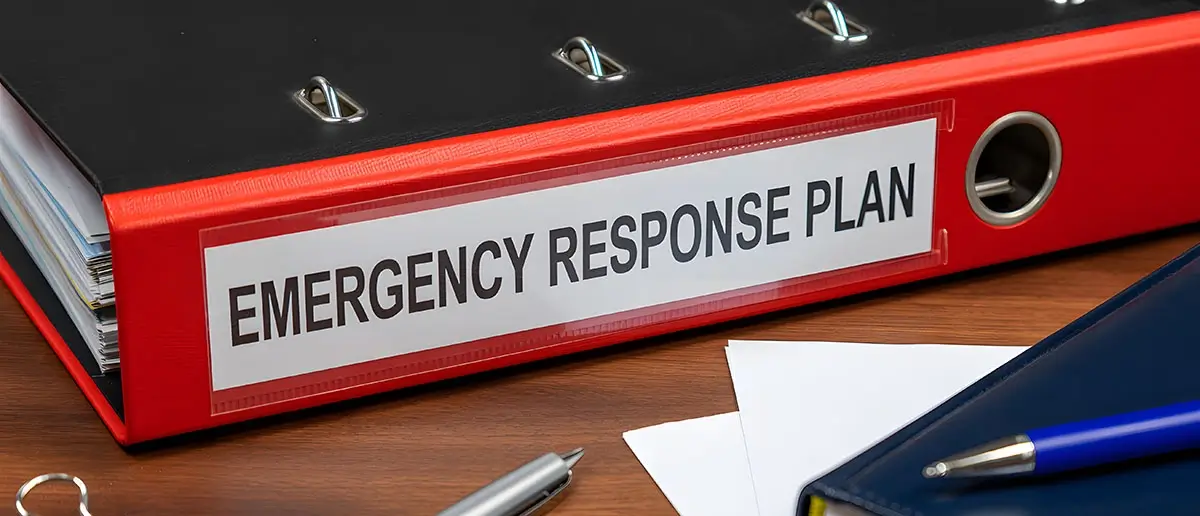
Insurance provides financial protection, but not an operational response plan. Boards should know in advance how they will communicate with residents, inspect the property, manage utilities, and keep the community functioning after a major earthquake.
How can condominium associations prepare?
- Develop an emergency response plan — Establish procedures for responding to building damage and coordinating with the community after an earthquake.
- Identify utility shutoffs — Know where water, gas, electrical, and critical utility controls are located and how to shut off safely.
- Maintain up-to-date resident contact information — Ensure the association can reach residents if normal systems are disrupted.
- Secure critical equipment and storage areas — Reduce hazards by securing items that could fall, shift, or become dangerous during strong shaking.
- Plan for communication failures — Have backup methods to communicate with residents when cellular networks or other systems fail.
- Plan for extended service disruptions — Follow Oregon’s “Be 2 Weeks Ready” approach. Associations need to consider how the community will function if electricity, water, elevators, natural gas, cellular service, or other services are unavailable long-term.
- Encourage residents to prepare a personal emergency kit — Residents should stock an emergency kit with food, water, medications, a flashlight with extra batteries, a battery-powered radio, and a portable phone charger. Check supplies often to ensure they are current and keep the charger powered. Plan for pets too: stock pet food, extra water, medications, medical and microchip info, and a favorite toy.
In the event of an earthquake or other emergency, condominium associations need an operational response plan. Boards can help prepare a plan, communicate with residents, and encourage residents to prepare for extended outages.


 Medical Malpractice Insurance Guidelines: Best Practices for Oregon Practices