
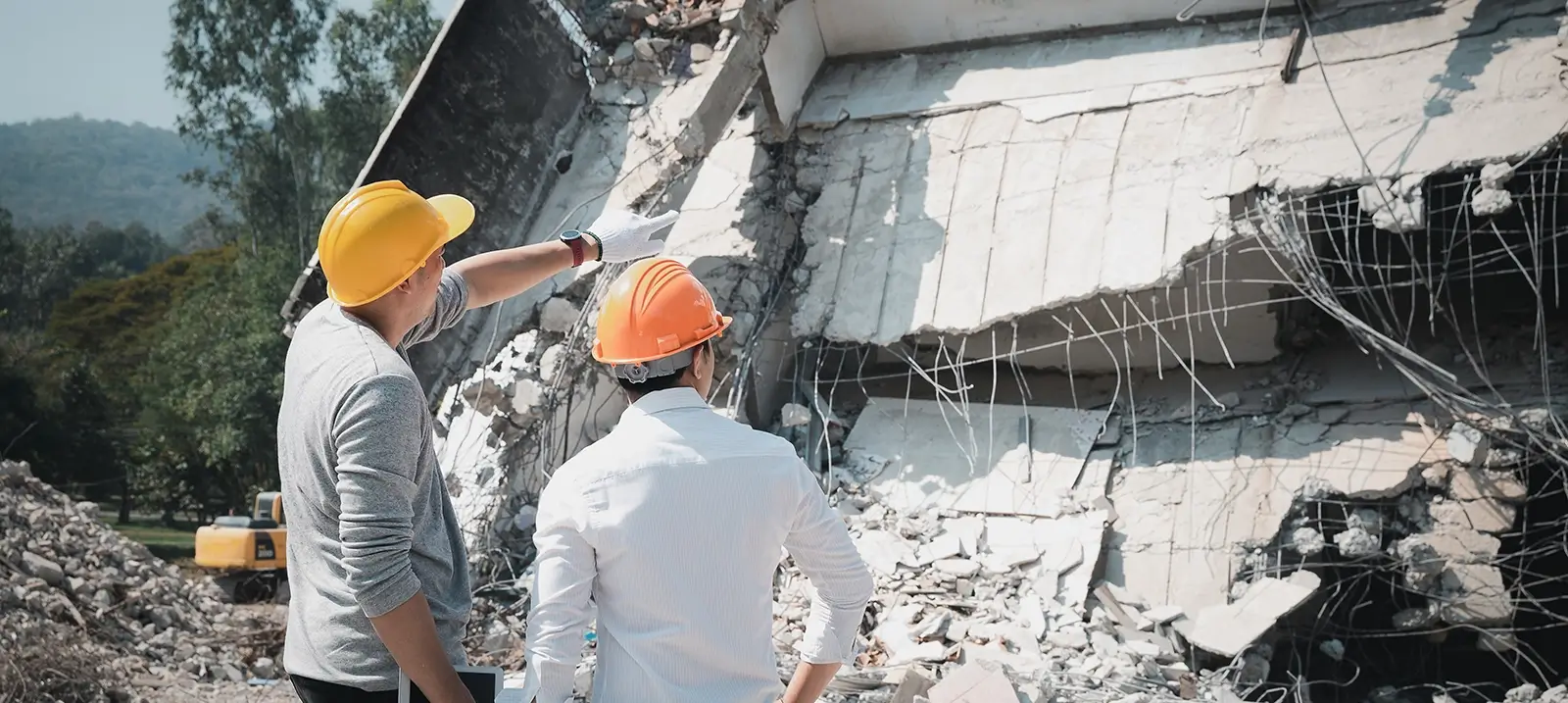
Earthquake preparedness belongs in every board’s risk-management plan. A major Pacific Northwest quake could damage buildings, disrupt utilities and transportation, and limit emergency services for an extended period. Boards that understand these exposures in advance are better positioned to protect residents, plan financially, and make informed insurance decisions.
Different Buildings, Different Risks
Earthquake exposure varies by association. Design, age, construction materials, prior seismic work, and the location of critical systems all affect the type and severity of damage.
High-rises face risks such as structural damage, broken water and fire-protection piping, damaged mechanical systems, inoperable elevators, falling glass or other debris, and extended periods when the building may be uninhabitable.
Garden-style communities may see foundation damage, broken underground water and sewer lines, damaged chimneys, fire following the quake, and disrupted roads and utilities.
Boards should know their buildings’ age and construction type, whether seismic evaluations or retrofits have been completed, and where critical utility shutoffs are located. This knowledge supports emergency planning and faster post-quake response.
Understand Your Earthquake Insurance
Generally, earthquake damage is not included in a property policy. Specific earthquake coverage must be purchased. When evaluating earthquake coverage, key questions to ask include:
- What is the policy limit?
- What is the deductible amount?
- How will the association fund the deductible or any uninsured loss?
- Is ordinance or code-upgrade coverage included?
- How is water damage handled after a quake, and is it included in the earthquake policy?
- Are underground utilities covered?
Usually, earthquake deductibles are a percentage of the insured value. For example, a 10% deductible on $50 million of applicable value could mean a $5 million association exposure, depending on policy wording and structure.
Remember Unit Owners
Even with association earthquake insurance, unit owners should review their HO6 policies. They may need coverage for personal property, interior improvements, additional living expenses, and potential loss assessments.
Prepare Before the Earthquake
Insurance is only part of the solution. Oregon and Washington emergency officials urge residents to be ready to live without normal services for at least two weeks after a major emergency. Associations need an emergency response plan that includes, at minimum:
- Current resident contact information
- Procedures for post-earthquake building inspections
- Plans for communication when normal systems are down
Earthquake readiness is more than buying coverage. Boards that know their buildings’ risks, understand what insurance will and won’t pay, coordinate with unit owners, and maintain a clear emergency plan are better prepared to protect residents and recover after any quake.


 Ready Your Roof and Gutters Before the Rains Hit









